The Canadian dollar has emerged as one of the most closely watched currencies among global investors, presenting both opportunities and challenges for those seeking to maximize their investment returns. Understanding the current Canadian dollar outlook requires careful analysis of multiple economic indicators, geopolitical factors, and market dynamics that continue to shape the loonie’s trajectory.
Recent developments in Canada’s economic landscape have created a unique environment for currency-focused investors. The Bank of Canada’s monetary policy decisions, coupled with fluctuating commodity prices, have established a complex foundation for the Canadian dollar outlook. Oil prices, which historically correlate strongly with CAD performance, remain a critical factor as energy markets adapt to evolving global demand patterns and supply chain adjustments.
Investors looking to capitalize on currency movements must recognize that the Canadian dollar outlook is intrinsically linked to the country’s trade relationships, particularly with the United States. The bilateral trade dynamics continue to influence exchange rate movements, creating opportunities for those who can accurately predict policy shifts and economic announcements. Understanding these interconnected relationships provides the foundation for developing effective investment strategies.
Diversification remains paramount when building investment portfolios around currency expectations. Rather than concentrating solely on direct CAD positions, sophisticated investors are incorporating Canadian equities, bonds, and commodity-linked securities that naturally benefit from favorable exchange rate movements. This approach allows for exposure to the Canadian dollar outlook while mitigating the inherent risks associated with pure currency speculation.
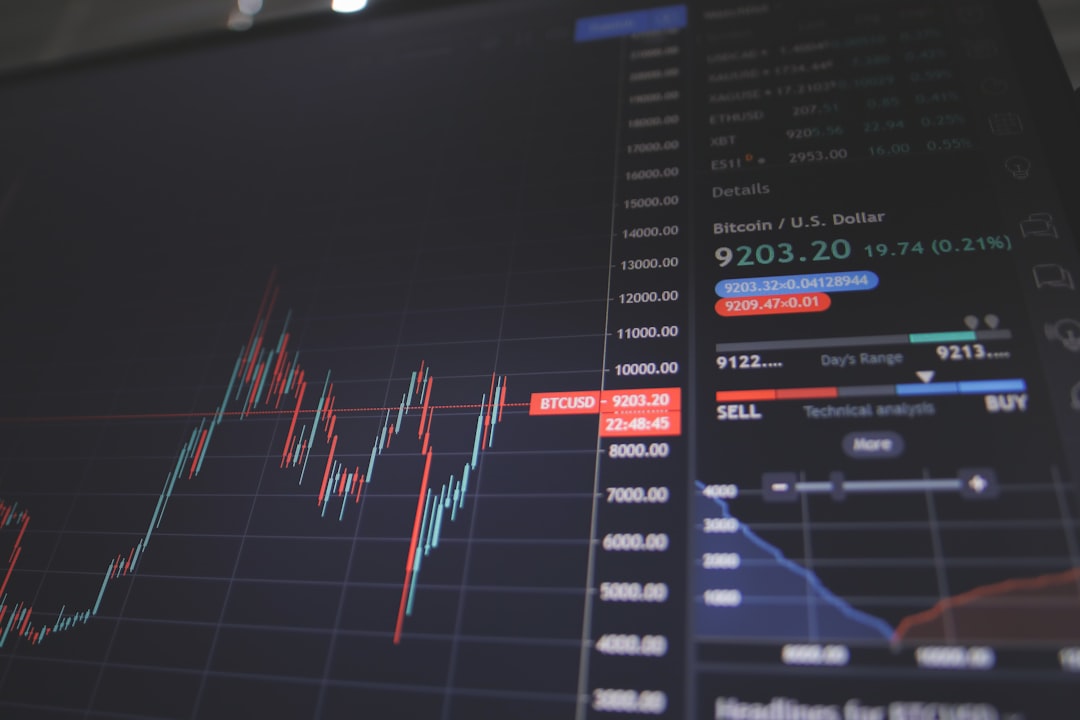
Technical analysis plays an increasingly important role in timing market entries and exits based on Canadian dollar trends. Chart patterns, support and resistance levels, and momentum indicators provide valuable insights into potential price movements. However, combining technical analysis with fundamental economic data creates a more comprehensive approach to evaluating the Canadian dollar outlook and identifying optimal investment timing.
Risk management strategies become essential when positioning portfolios around currency expectations. Setting appropriate stop-loss levels, implementing hedging mechanisms, and maintaining disciplined position sizing help protect capital during periods of unexpected volatility. The Canadian dollar outlook can shift rapidly based on economic data releases, central bank communications, and global risk sentiment changes.
Global economic conditions significantly impact the Canadian dollar outlook, particularly regarding safe-haven demand and commodity price fluctuations. During periods of international uncertainty, investors often seek stability in established currencies, which can influence CAD performance relative to other major currencies. Monitoring global economic indicators and geopolitical developments provides crucial context for Canadian dollar investment decisions.
Forward-thinking investors are also considering longer-term structural factors that may influence the Canadian dollar outlook over extended periods. Climate policy initiatives, technological developments in the energy sector, and demographic trends all contribute to Canada’s economic prospects and currency strength. These fundamental drivers often create sustained trends that can benefit patient investors who position themselves appropriately.
The integration of currency considerations into broader investment strategies requires careful attention to correlation patterns and portfolio balance. Assets that perform well during periods of Canadian dollar strength may underperform when the currency weakens, making strategic allocation decisions critical for consistent returns. Understanding these relationships enables investors to construct portfolios that benefit from various Canadian dollar outlook scenarios while maintaining appropriate risk levels throughout changing market conditions.