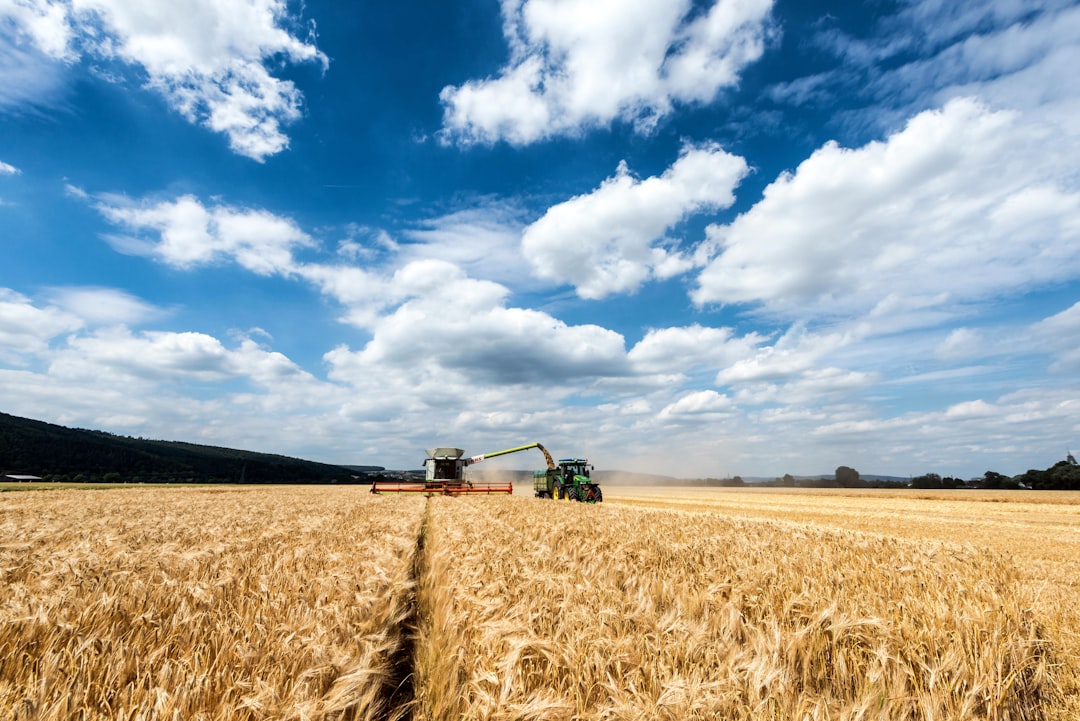
Global agricultural markets are experiencing unprecedented volatility, creating both challenges and extraordinary opportunities for informed investors. Understanding the current agricultural commodity outlook has become essential for maximizing returns in an increasingly complex market environment. From climate-driven supply disruptions to shifting consumer demands and technological innovations, the agricultural sector presents compelling investment prospects for those who know where to look.
The agricultural commodity outlook for the coming months reveals a landscape shaped by multiple converging factors. Extreme weather patterns continue to impact crop yields across major producing regions, while geopolitical tensions affect global trade flows. Simultaneously, growing populations and changing dietary preferences in emerging markets are driving unprecedented demand for diverse agricultural products. These dynamics create significant price volatility that savvy investors can leverage for substantial returns.
Understanding Market Fundamentals That Drive Agricultural Commodity Prices
Successful agricultural commodity investing begins with a deep understanding of the fundamental factors that influence price movements. Weather patterns remain the primary driver of agricultural markets, with drought conditions in key growing regions often leading to supply shortages and price spikes. Recent data shows that corn production in major exporting countries has been affected by irregular rainfall patterns, creating supply constraints that have pushed prices higher.
Global inventory levels provide another crucial indicator within the agricultural commodity outlook. When stockpiles of essential crops like wheat, soybeans, and rice fall below critical thresholds, prices tend to experience sharp upward movements. Current inventory data suggests that several key commodities are approaching historically low levels, potentially setting the stage for significant price appreciation.
Currency fluctuations also play a vital role in agricultural commodity pricing. Since most agricultural products are priced in US dollars, currency strength or weakness can dramatically impact the competitiveness of exports from different regions. Investors who monitor these currency relationships can identify arbitrage opportunities and positioning strategies that enhance returns.
Identifying High-Potential Commodities Through Data Analysis
The current agricultural commodity outlook reveals several sectors poised for significant growth. Specialty crops, including quinoa, chia seeds, and ancient grains, are experiencing surging demand as health-conscious consumers drive premium pricing. These niche markets often offer higher profit margins compared to traditional staple crops.
Protein sources represent another compelling opportunity within the agricultural space. Plant-based protein ingredients, particularly pea protein and soy isolates, are commanding premium prices as food manufacturers race to meet growing demand for alternative protein products. The agricultural commodity outlook for these specialized products suggests continued strong pricing power.
Technology-enhanced crops also present unique investment opportunities. Genetically modified seeds that offer improved yields or resistance to climate stress are becoming increasingly valuable as farmers seek to maximize productivity. Companies developing and distributing these advanced agricultural technologies are positioned to benefit from growing adoption rates.
Strategic Investment Approaches for Agricultural Commodities
Direct commodity investing through futures markets remains a popular approach for experienced traders who understand the agricultural commodity outlook. However, this strategy requires significant expertise and risk management capabilities due to the inherent volatility of commodity prices. Investors must carefully analyze seasonal patterns, storage costs, and delivery logistics when trading agricultural futures.
Exchange-traded funds (ETFs) focused on agricultural commodities offer a more accessible entry point for individual investors. These funds provide diversified exposure to multiple agricultural products while eliminating the complexities of direct futures trading. Some specialized ETFs focus on specific subsectors, such as livestock or soft commodities, allowing investors to target particular themes within the agricultural commodity outlook.
Equity investments in agricultural companies provide another avenue for capitalizing on commodity trends. Fertilizer producers, seed companies, and agricultural equipment manufacturers often experience significant leverage to underlying commodity price movements. When the agricultural commodity outlook is positive, these companies typically see increased demand for their products and services.
Risk Management and Timing Strategies
Effective risk management is crucial when investing based on agricultural commodity outlook predictions. Diversification across different crops and geographic regions helps mitigate the impact of localized weather events or political disruptions. Investors should also consider seasonal factors, as many agricultural commodities exhibit predictable price patterns related to planting and harvest cycles.
Position sizing becomes particularly important in agricultural investing due to the sector’s inherent volatility. Many successful investors limit their agricultural commodity exposure to a specific percentage of their overall portfolio, preventing any single adverse event from causing significant damage to their investment returns.
Timing entry and exit points requires careful attention to both technical and fundamental indicators. The agricultural commodity outlook can change rapidly based on weather forecasts, government policy announcements, or shifts in global trade patterns. Investors who stay informed about these developments and maintain flexible positioning strategies are better positioned to capture upside opportunities while limiting downside risk.
The agricultural commodity outlook presents compelling opportunities for investors willing to understand market dynamics and implement disciplined investment strategies. As global population growth continues to pressure food systems while climate change creates supply uncertainty, agricultural commodities are likely to remain an attractive asset class for portfolio diversification and return enhancement. Success in this sector requires continuous monitoring of fundamental factors, careful risk management, and the flexibility to adapt to rapidly changing market conditions.