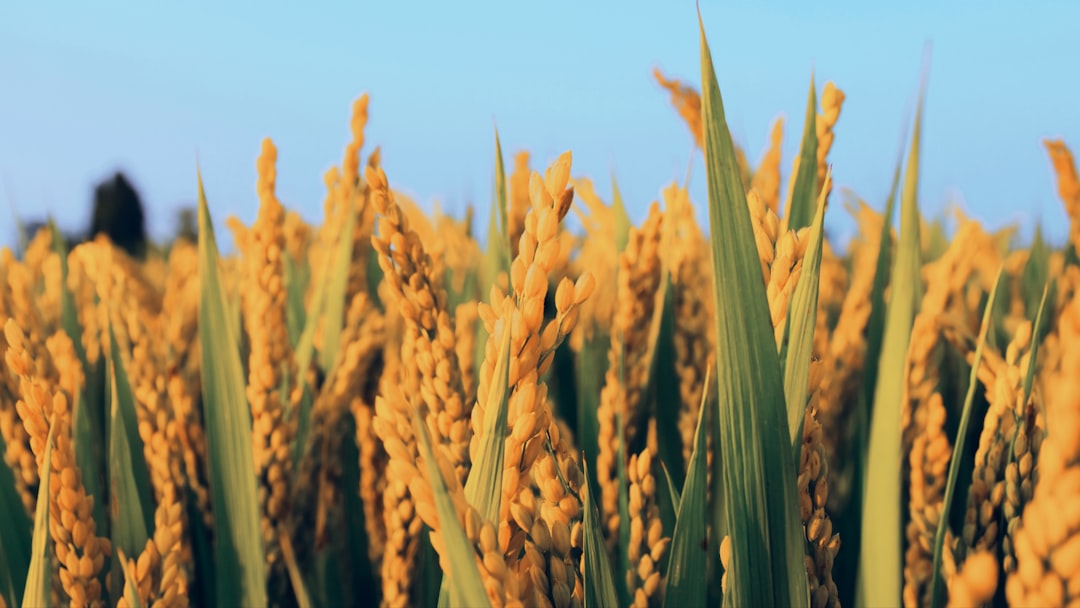
Canada’s vast agricultural landscape produces some of the world’s most valuable commodities, yet many investors overlook how agricultural commodity outlook directly impacts their portfolio performance. From Prairie wheat fields to Ontario corn harvests, commodity price movements ripple through financial markets, affecting everything from currency values to sector rotations that can make or break investment returns.
The interconnected nature of modern markets means that agricultural commodity prices influence far more than farming stocks. When global wheat prices surge due to supply disruptions, the Canadian dollar often strengthens, benefiting exporters while creating headwinds for import-dependent sectors. Energy companies see increased demand for fertilizers and transportation services, while food processing giants face margin pressure from rising input costs. Understanding these dynamics provides Canadian investors with a crucial edge in portfolio allocation decisions.
Recent market volatility has highlighted the importance of monitoring agricultural commodity outlook trends. Climate change impacts, shifting trade relationships, and evolving consumer preferences toward plant-based proteins have fundamentally altered traditional supply-demand equations. Canadian canola and pulse crops have gained prominence in global markets, creating new investment opportunities while exposing portfolios to different risk factors than traditional commodity cycles.
Economic Indicators Hidden in Harvest Reports
Agricultural commodity markets serve as leading indicators for broader economic trends that affect Canadian investment strategies. Poor harvest forecasts often precede inflationary pressures, prompting central bank policy responses that ripple through bond and equity markets. Conversely, bumper crop years can signal deflationary risks, influencing interest rate expectations and sector performance across the TSX.
Portfolio managers increasingly recognize that agricultural commodity outlook data provides early warning signals for currency fluctuations, trade balance shifts, and regional economic performance. Saskatchewan’s potash industry, Alberta’s beef sector, and Quebec’s dairy operations each respond differently to global commodity trends, creating geographic diversification opportunities within Canadian equity allocations.
The rise of ESG investing has added another layer to agricultural commodity analysis. Sustainable farming practices, water usage efficiency, and carbon sequestration capabilities now factor into commodity valuations, affecting everything from farmland REITs to agtech stocks. Investors who ignore these evolving metrics risk missing significant opportunities in Canada’s transition toward sustainable agriculture.
Strategic Portfolio Applications
Practical implementation of agricultural commodity outlook insights requires understanding correlation patterns between commodity prices and various asset classes. Canadian bank stocks often benefit from strong agricultural exports through increased lending activity in rural regions, while transportation companies like Canadian National Railway see direct revenue impacts from grain shipment volumes.
Technology sector opportunities emerge from agricultural commodity trends, particularly in precision farming, biotechnology, and food processing innovation. Companies developing drought-resistant crops or automated farming equipment often see investor interest spike during periods of agricultural uncertainty, creating tactical allocation opportunities for growth-focused portfolios.
Currency hedging strategies become more sophisticated when incorporating agricultural commodity outlook projections. The correlation between commodity export strength and CAD performance allows investors to position currency exposures more effectively, particularly in global equity or fixed-income allocations.
Modern Canadian portfolios benefit significantly from incorporating agricultural commodity outlook analysis into investment decision-making processes. The sector’s influence extends far beyond traditional farming investments, affecting currency movements, inflation expectations, and cross-sector performance patterns that savvy investors can leverage for enhanced returns. As global food security concerns intensify and climate impacts accelerate, understanding these agricultural market dynamics becomes increasingly essential for portfolio success in Canada’s resource-rich economy.