Archives for March 17, 2026

Why Bank of Canada Rate Decision Is Making Headlines Across Canada

The latest Bank of Canada rate decision has sent ripples through financial markets, mortgage offices, and household budgets from Vancouver to Halifax. As Canada’s central bank continues to navigate complex economic terrain, millions of Canadians are discovering just how profoundly monetary policy decisions impact their daily lives. From first-time homebuyers to seasoned investors, everyone is asking the same question: what does this mean for me?

How the Current Rate Environment Shapes Canadian Markets

The Bank of Canada rate decision serves as the cornerstone of Canadian monetary policy, influencing everything from mortgage rates to business investment decisions. Recent policy shifts have created a domino effect across multiple sectors, with financial institutions scrambling to adjust their lending practices and investment strategies. The central bank’s benchmark rate directly affects the prime lending rates offered by major banks, which in turn influences variable mortgage rates, lines of credit, and business loans.

Market analysts have noted unprecedented volatility following recent announcements, with the TSX experiencing significant fluctuations as investors recalibrate their portfolios. The ripple effects extend beyond traditional banking, impacting currency exchange rates and making Canadian exports more or less competitive on the global stage.

What Homeowners and Buyers Need to Know About Rate Changes

For Canadian homeowners, each Bank of Canada rate decision represents a potential shift in their monthly financial obligations. Those with variable-rate mortgages feel the impact most immediately, as their payments adjust within days of any policy announcement. Fixed-rate mortgage holders, while insulated from immediate changes, face critical decisions when renewal time arrives.

Real estate markets across major Canadian cities have responded differently to rate adjustments. Toronto and Vancouver, with their high property values, show particular sensitivity to rate changes, while more affordable markets in Atlantic Canada and the Prairies demonstrate varied responses. First-time homebuyers are finding themselves in a challenging position, balancing affordability concerns with long-term financial planning in an uncertain rate environment.

Economic Indicators Driving Central Bank Policy

Understanding the factors behind each Bank of Canada rate decision requires examining key economic indicators that guide policymakers. Inflation rates remain a primary concern, with the central bank targeting a specific range to maintain price stability. Employment data, GDP growth, and consumer spending patterns all contribute to the complex calculus behind rate adjustments.

Recent economic data suggests a nuanced picture of Canadian economic health. While some sectors show robust growth, others face headwinds from global uncertainty and supply chain disruptions. The Bank of Canada must balance supporting economic growth with preventing overheating that could lead to unsustainable inflation levels.

Impact on Business Investment and Economic Growth

Canadian businesses closely monitor every Bank of Canada rate decision as they plan expansion, equipment purchases, and hiring decisions. Lower rates typically encourage borrowing and investment, while higher rates can cool economic activity but help control inflation. Small and medium-sized enterprises, which form the backbone of the Canadian economy, are particularly sensitive to rate changes due to their reliance on bank financing.

Manufacturing sectors, technology companies, and resource-based industries each respond differently to monetary policy shifts. Export-oriented businesses benefit from currency adjustments that accompany rate changes, while domestic service providers focus more on the direct cost of capital impacts.

Regional Variations in Rate Impact Across Canada

The effects of any Bank of Canada rate decision don’t distribute evenly across Canada’s diverse regional economies. Alberta’s energy-focused economy responds differently than Ontario’s manufacturing base or British Columbia’s technology and real estate sectors. Atlantic provinces, with their unique economic challenges and opportunities, often see delayed or modified impacts compared to central Canada.

Provincial debt levels, employment rates, and industrial composition all influence how rate changes translate into real-world economic effects. Understanding these regional variations helps explain why the same monetary policy decision can generate different headlines across Canadian markets.

Future Outlook and What Experts Predict

Financial analysts and economists continue debating the trajectory of future rate decisions, with consensus remaining elusive in today’s complex global environment. The Bank of Canada rate decision process involves careful consideration of domestic conditions alongside international factors, including U.S. Federal Reserve policies and global economic trends.

Leading indicators suggest continued volatility ahead, with policymakers walking a tightrope between supporting growth and maintaining stability. Market participants are increasingly focused on forward guidance from Bank of Canada officials, parsing every speech and statement for clues about future policy direction.

The Bank of Canada’s commitment to transparency means Canadians can access detailed explanations of policy decisions, helping individuals and businesses make informed financial choices. As economic conditions evolve, staying informed about monetary policy becomes increasingly important for financial planning and investment decisions across all sectors of Canadian society.


Why Gold Royalty Stocks Are Becoming the Smart Play for Risk-Averse Precious Metal Investors

While traditional gold mining stocks grab headlines with their volatile swings and operational drama, a sophisticated class of investors has quietly been building positions in a fundamentally different type of precious metals investment. Gold royalty stocks represent a unique approach to gold exposure that combines the upside potential of rising gold prices with significantly reduced operational risks.

Unlike conventional mining companies that dig, process, and sell gold directly, gold royalty stock companies operate as financiers of the mining industry. They provide upfront capital to mining operations in exchange for the right to purchase a percentage of future gold production at below-market prices, or receive direct royalty payments based on production volumes.

The Compelling Economics Behind Gold Royalty Business Models

The fundamental appeal of a gold royalty stock lies in its asset-light business model. These companies generate revenue without the crushing capital expenditures, environmental liabilities, or operational headaches that plague traditional miners. When gold prices rise, royalty companies benefit directly through higher revenue per ounce, but when prices fall, they maintain cash flow advantages due to their low-cost basis.

Leading gold royalty stock operators typically maintain profit margins exceeding 80%, compared to 10-20% for traditional miners. This margin differential becomes even more pronounced during periods of cost inflation, when mining companies face rising energy, labor, and equipment costs while royalty companies remain insulated from these operational pressures.

Portfolio Diversification Advantages That Mining Stocks Cannot Match

A well-managed gold royalty stock offers investors exposure to dozens, sometimes hundreds, of different mining projects across multiple jurisdictions. This geographic and operational diversification significantly reduces single-project risk that can devastate individual mining companies. When one mine experiences technical difficulties, environmental issues, or political challenges, the impact on a diversified royalty portfolio remains minimal.

Furthermore, this diversification model allows investors to benefit from exploration successes and mine expansions across an entire portfolio of assets, rather than betting on the success of a single operation. As mining companies invest in expanding their operations, royalty holders benefit from increased production without additional capital investment.

Technical Analysis Reveals Strong Accumulation Patterns

Recent technical analysis of leading gold royalty stock positions shows institutional accumulation patterns that suggest smart money recognition of the sector’s value proposition. Volume analysis indicates consistent buying pressure during market dips, while relative strength indicators demonstrate the sector’s ability to outperform both general equities and traditional mining stocks during periods of market stress.

The gold royalty stock sector has historically exhibited lower volatility than mining stocks while maintaining strong correlation to gold price movements. This combination creates an attractive risk-adjusted return profile that appeals to both conservative income-focused investors and growth-oriented precious metals enthusiasts.

Cash Flow Stability Creates Sustainable Dividend Opportunities

Unlike mining companies that often suspend dividends during challenging operational periods, quality gold royalty stock investments typically maintain more consistent cash flow generation. This stability stems from their diversified revenue streams and minimal capital expenditure requirements, allowing management teams to establish and maintain dividend policies even during periods of gold price volatility.

The predictable nature of royalty cash flows also enables more accurate financial modeling and valuation analysis, reducing the uncertainty premium that often weighs on traditional mining stock valuations. Investors can more confidently project future returns based on existing royalty agreements and contracted production schedules.

Key Metrics Every Gold Royalty Stock Investor Should Monitor

Successful gold royalty stock analysis requires focus on specific operational metrics that differ from traditional mining stock evaluation. Net asset value per share, based on the present value of future royalty streams, provides the most accurate valuation foundation. Additionally, monitoring the number of producing assets, average royalty rates, and geographic diversification helps assess portfolio quality and growth potential.

Revenue growth sustainability depends heavily on the company’s ability to deploy capital into new royalty agreements, making management’s deal-sourcing capabilities and capital allocation track record critical evaluation factors. The best gold royalty stock operators demonstrate consistent ability to acquire accretive royalties while maintaining disciplined valuation standards.

Market Positioning Suggests Significant Upside Potential

Current market valuations for many gold royalty stock opportunities appear disconnected from their underlying asset values and cash generation capabilities. As more investors recognize the superior risk-adjusted returns available through royalty models, institutional capital allocation toward the sector continues increasing.

The growing acceptance of environmental, social, and governance (ESG) investment criteria also favors gold royalty stock investments, as these companies typically avoid direct environmental exposure while still providing precious metals portfolio exposure that many institutional investors require for inflation protection and portfolio diversification.

For investors seeking exposure to gold’s long-term value proposition without accepting the operational risks inherent in traditional mining investments, gold royalty stocks represent a compelling opportunity. The combination of steady cash flows, portfolio diversification, and leverage to gold price appreciation creates an attractive investment profile that deserves serious consideration in any precious metals allocation strategy. Consider researching established gold royalty companies and evaluating how these unique investment vehicles might enhance your portfolio’s risk-adjusted returns.

Why Oil Sands Producers Are Finally Breaking Out of Their Long Slump

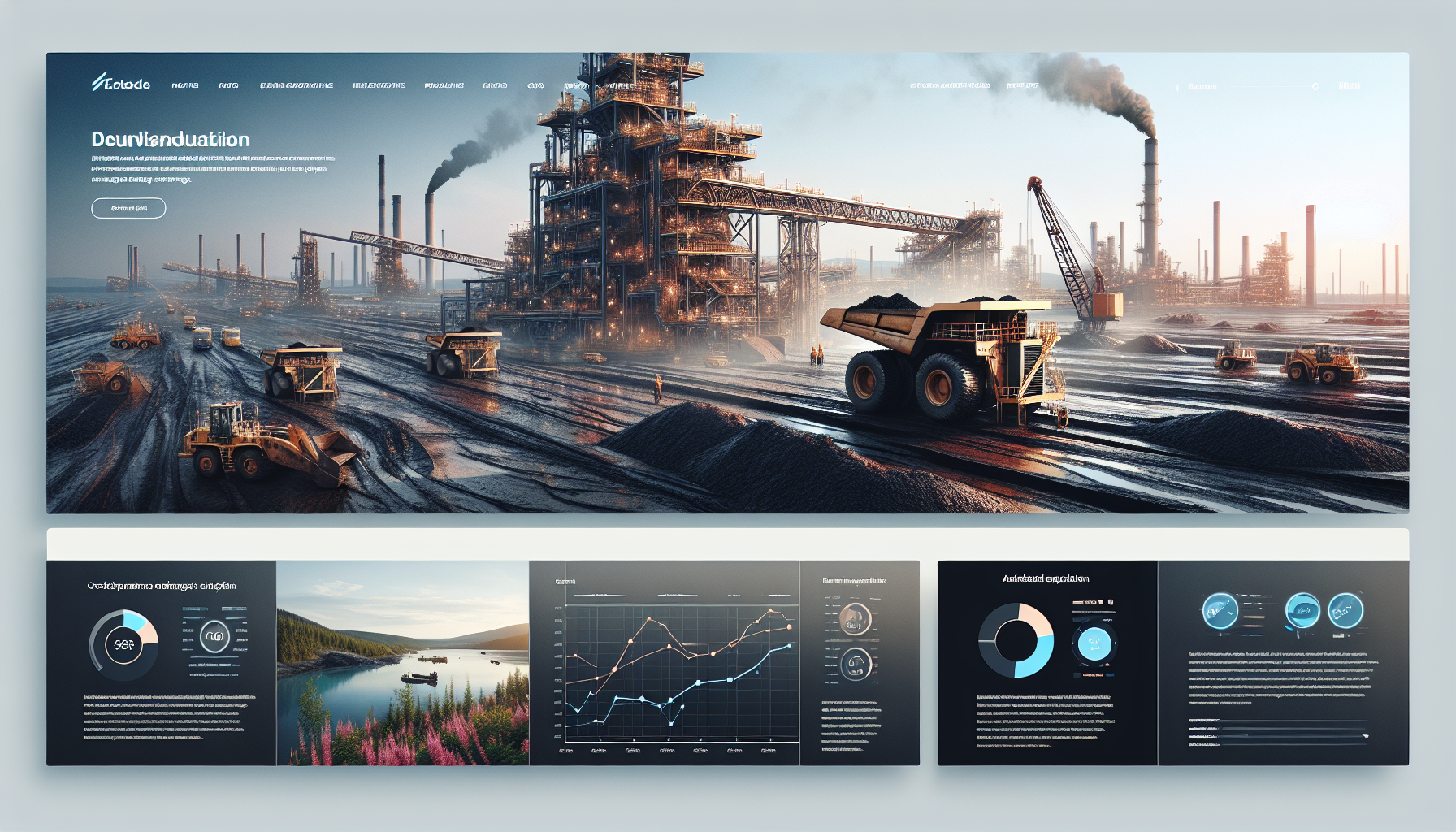
The oil sands sector is experiencing a remarkable transformation that’s catching the attention of seasoned energy investors. After years of volatile performance and environmental scrutiny, recent production data reveals a compelling investment narrative emerging from Canada’s energy heartland. This comprehensive oil sands production update examines the key metrics driving stock valuations and identifies potential buy signals across major producers.

Current Production Metrics Signal Industry Maturation

The latest oil sands production update shows total output reaching 3.2 million barrels per day, representing steady growth despite industry consolidation. Major operators like Suncor Energy and Canadian Natural Resources have optimized their extraction processes, achieving breakeven costs below $35 per barrel. This operational efficiency translates directly to stronger margins and more predictable cash flows, creating a foundation for sustained stock performance. Production reliability has improved significantly, with unplanned maintenance downtime decreasing by 15% compared to previous periods.

Technology Advances Drive Cost Reduction and Efficiency Gains

Innovation in extraction technology has fundamentally altered the oil sands landscape. Steam-assisted gravity drainage (SAGD) operations now achieve recovery rates exceeding 60%, while autonomous hauling systems have reduced operational costs by 12%. These technological improvements appear prominently in every recent oil sands production update, demonstrating how digital optimization and process automation are reshaping profitability metrics. Companies investing heavily in these technologies are showing stronger operational leverage, making them attractive targets for value-focused investors.

Environmental Initiatives Create Long-Term Value Propositions

Carbon capture and storage projects across oil sands facilities are progressing beyond pilot phases, with several producers committing to net-zero emissions by 2050. The Pathways Alliance initiative represents a $24.6 billion investment in emissions reduction technology, signaling industry commitment to sustainable operations. This environmental focus is increasingly important for institutional investors and ESG-focused funds, creating potential for premium valuations among companies leading these initiatives. The regulatory environment has stabilized, providing clearer guidelines for long-term planning and investment.

Financial Performance Metrics Reveal Hidden Value

Balance sheet strength among oil sands producers has improved dramatically following debt reduction campaigns during the previous commodity cycle. Free cash flow yields across the sector average 8-12%, significantly higher than traditional energy investments. Dividend sustainability has improved, with most major producers maintaining payout ratios below 30% of free cash flow. This financial discipline positions oil sands companies for potential dividend growth and share buyback programs, both catalysts for stock price appreciation.

Market Dynamics Favor Long-Term Positioning

Global energy security concerns have renewed focus on North American oil production, benefiting Canadian oil sands producers. Transport infrastructure improvements, including pipeline capacity expansions, are reducing price differentials that historically pressured oil sands valuations. The sector’s correlation with broader energy markets has decreased, suggesting more stock-specific performance drivers are emerging. This oil sands production update indicates that fundamental analysis is becoming increasingly important for identifying outperformers within the sector.

Buy Signal Analysis Points to Select Opportunities

Technical indicators across oil sands stocks show bullish divergences, with several names breaking above key resistance levels on increasing volume. Institutional buying activity has accelerated, particularly among pension funds and sovereign wealth funds seeking inflation-protected energy exposure. Companies with strong production growth profiles, improving cost structures, and conservative financial management are generating the most compelling buy signals. Options activity suggests professional traders are positioning for continued upside in select names.

The convergence of operational improvements, financial discipline, and favorable market conditions creates a compelling investment thesis for oil sands producers. Investors should focus on companies demonstrating consistent execution, strong balance sheets, and clear environmental progress. Consider building positions gradually in sector leaders while monitoring production updates and cash flow metrics for confirmation of this positive trend. The time to evaluate oil sands opportunities may be now, before broader market recognition drives valuations higher.

Why Canadian Oil Sands Producers Are Finally Breaking Through Production Barriers

Canadian oil sands companies are experiencing a remarkable transformation as production efficiency reaches unprecedented levels. After years of operational challenges and market volatility, several TSX-listed producers are now demonstrating their ability to maintain consistent output while reducing costs. This oil sands production update reveals which companies are leading the charge and why investors are taking notice of this critical sector’s evolution.

Current Production Trends Reshaping the Oil Sands Landscape

The latest oil sands production update shows a significant shift toward optimized extraction methods and enhanced recovery techniques. Major producers have successfully implemented advanced steam-assisted gravity drainage (SAGD) technologies, resulting in improved steam-to-oil ratios and reduced water consumption. Production data indicates that several key players have achieved their highest quarterly outputs in over three years, with some facilities operating at near-maximum capacity.

These improvements stem from substantial infrastructure investments made during the previous downturn, which are now yielding tangible results. Companies that focused on operational excellence rather than expansion during challenging periods are reaping the benefits through consistent production flows and improved margins.

Top TSX Oil Sands Stocks Demonstrating Strong Performance

Among the standout performers in the current oil sands production update, Suncor Energy continues to lead with its integrated business model and refining capabilities. The company’s oil sands operations have maintained steady production while achieving significant cost reductions through digitalization and automation initiatives.

Canadian Natural Resources has emerged as another key player, with its diverse asset portfolio providing operational flexibility and risk mitigation. The company’s long-life, low-decline assets generate substantial free cash flow, making it an attractive option for income-focused investors.

Imperial Oil’s Kearl operation represents a prime example of successful production optimization, with the facility consistently meeting or exceeding production guidance while maintaining strict environmental standards.

Technological Innovations Driving Production Efficiency

The current oil sands production update highlights how technological advancement is revolutionizing extraction processes. Artificial intelligence and machine learning applications are now being deployed to predict equipment failures, optimize steam injection patterns, and enhance overall operational efficiency.

Advanced seismic imaging and reservoir modeling have improved understanding of geological formations, leading to more precise drilling and enhanced recovery rates. These innovations not only boost production volumes but also contribute to reduced environmental impact through more efficient resource utilization.

Autonomous hauling systems and remote monitoring capabilities have further streamlined operations, reducing labor costs while improving safety metrics across oil sands facilities.

Market Dynamics Influencing Oil Sands Investment Decisions

Current market conditions present a compelling case for oil sands investments, with several factors contributing to improved sector fundamentals. Global energy security concerns have increased demand for reliable, long-term energy sources, positioning Canadian oil sands as a strategic asset for international markets.

The differential between Western Canadian Select and West Texas Intermediate crude has narrowed considerably, improving netback realizations for oil sands producers. Additionally, pipeline capacity expansions have enhanced market access, reducing transportation bottlenecks that previously constrained the sector.

ESG considerations continue to shape investment decisions, with companies that demonstrate strong environmental stewardship and carbon reduction initiatives attracting premium valuations from institutional investors.

Production Cost Analysis and Profitability Outlook

This oil sands production update reveals that breakeven costs have declined substantially across the sector. Leading operators now achieve profitability at oil prices well below current market levels, providing significant downside protection for investors.

Operating cost improvements averaging 15-20% over the past two years reflect successful efficiency initiatives and technological implementations. These cost reductions, combined with steady production volumes, have generated robust free cash flow generation capabilities.

Capital allocation strategies have evolved to prioritize shareholder returns through dividends and share buybacks, while maintaining disciplined reinvestment in high-return projects.

Risk Factors and Investment Considerations

Despite positive trends in the oil sands production update, investors must consider several risk factors. Regulatory changes, environmental policies, and carbon pricing mechanisms could impact future profitability and operational flexibility.

Market volatility remains a concern, particularly regarding oil price fluctuations and potential demand shifts toward alternative energy sources. However, the long-term nature of oil sands assets provides some insulation against short-term market disruptions.

Infrastructure constraints and transportation capacity limitations could resurface if production growth exceeds pipeline capacity expansions, potentially affecting pricing realizations for producers.

The Canadian oil sands sector has demonstrated remarkable resilience and operational improvement, making it an increasingly attractive investment opportunity. As this oil sands production update shows, companies that have successfully navigated previous challenges are now positioned to capitalize on favorable market conditions and technological advantages. Investors seeking exposure to stable, long-term energy assets should carefully evaluate these TSX-listed opportunities while considering their risk tolerance and investment timeline.

Why the Bank of Canada Rate Decision Commands Every Investor’s Attention This Week

Market volatility has reached fever pitch as investors across North America brace for what could be the most consequential monetary policy announcement in recent memory. The Bank of Canada rate decision scheduled for this week isn’t just another routine policy update—it’s a potential catalyst that could send ripples through currency markets, housing sectors, and investment portfolios from coast to coast.

With inflation pressures mounting and economic indicators painting a complex picture, the central bank’s next move has become the focal point for institutional investors, retail traders, and financial analysts alike. Understanding the implications of this decision could mean the difference between capitalizing on market opportunities and watching them slip away.

Economic Indicators Driving the Bank of Canada Rate Decision

The foundation for any Bank of Canada rate decision lies in a comprehensive analysis of key economic metrics. Recent employment data has shown surprising resilience, with unemployment rates holding steady despite global economic headwinds. Consumer price index figures have been particularly telling, revealing persistent inflationary pressures in core categories including housing, energy, and food services.

Manufacturing output has demonstrated mixed signals, with some sectors experiencing robust growth while others contract under the weight of supply chain disruptions and changing consumer preferences. The central bank’s governing council must weigh these competing forces when determining whether to raise, lower, or maintain current interest rates. GDP growth projections have been revised multiple times in recent quarters, highlighting the challenging environment policymakers face.

Currency Markets Positioning Ahead of Interest Rate Announcements

The Canadian dollar has experienced heightened volatility in the weeks leading up to this Bank of Canada rate decision, with traders positioning for various scenarios. Currency strategists have noted increased options activity, suggesting institutional investors are hedging against potential surprises. The USD/CAD pair has been particularly sensitive to speculation about the central bank’s next move.

International capital flows have shown marked sensitivity to interest rate differentials between Canada and its major trading partners. A hawkish stance from the Bank of Canada could strengthen the loonie significantly, while a dovish approach might send it tumbling against major currencies. Export-dependent industries are watching these developments closely, as currency fluctuations directly impact their competitive positioning in global markets.

Housing Market Implications of Monetary Policy Shifts

Perhaps no sector faces greater uncertainty from the upcoming Bank of Canada rate decision than residential real estate. Mortgage rates have already begun adjusting in anticipation of the announcement, with variable rate holders particularly vulnerable to potential increases. Regional housing markets from Vancouver to Toronto have shown signs of cooling, but the extent of future adjustments remains unclear.

Real estate investment trusts (REITs) have experienced increased trading volumes as investors reassess valuations based on potential rate scenarios. Construction companies and mortgage lenders are similarly positioned at the epicenter of potential policy changes. The central bank’s communication strategy will be crucial in managing market expectations and preventing excessive volatility in this critical sector.

Corporate Borrowing Costs and Business Investment Trends

Canadian corporations have been strategically managing their debt profiles in preparation for potential rate changes stemming from this Bank of Canada rate decision. Companies with significant floating-rate debt exposure are particularly vulnerable to upward rate movements, while those with locked-in financing may gain competitive advantages.

Capital expenditure plans across various industries have been placed on hold as executives await clarity on the interest rate environment. Small and medium-sized enterprises, which typically rely more heavily on variable-rate financing, could face the most significant impacts from any policy adjustments. The central bank’s forward guidance will be essential for business planning and investment decision-making.

Investment Strategy Adjustments for Different Rate Scenarios

Professional portfolio managers are actively repositioning assets based on potential outcomes from the Bank of Canada rate decision. Bond portfolios are particularly sensitive to duration risk, with longer-term securities facing greater price volatility potential. Equity sectors traditionally sensitive to interest rates, including utilities, telecommunications, and consumer staples, are experiencing heightened attention from both bulls and bears.

Dividend-focused investment strategies may require significant adjustments depending on the policy outcome. Financial sector stocks, particularly banks and insurance companies, often benefit from rising rate environments through improved net interest margins. Conversely, growth stocks with high valuations may face pressure if borrowing costs increase substantially.

Global Context and International Investment Flows

The Bank of Canada rate decision doesn’t occur in isolation but rather within a complex web of global monetary policy coordination. Central banks worldwide are grappling with similar inflationary pressures and economic uncertainty, making Canada’s approach particularly noteworthy for international investors. Foreign direct investment flows could shift dramatically based on the relative attractiveness of Canadian assets following the announcement.

Emerging market currencies and commodities often react strongly to developed nation monetary policy changes, creating secondary investment opportunities for astute observers. The interconnected nature of global financial markets means that ripple effects from Canada’s policy decision could create opportunities in unexpected sectors and geographies.

The coming Bank of Canada rate decision represents more than just a monetary policy adjustment—it’s a pivotal moment that could reshape investment landscapes for months to come. Smart investors are already positioning their portfolios for multiple scenarios while maintaining the flexibility to capitalize on post-announcement volatility. Stay informed about the latest developments and consider consulting with financial professionals to ensure your investment strategy aligns with the evolving interest rate environment.

Why Canadian Tech Giants Are Choosing TSX Over NASDAQ for Their Public Debuts

Canadian technology companies are making headlines with their decision to go public on home soil, marking a significant shift in the IPO landscape. While Silicon Valley startups traditionally flocked to NASDAQ, a new generation of Canadian tech firms is discovering the advantages of launching their TSX tech IPO domestically, creating unprecedented opportunities for investors to get in early on promising growth stories.

The New Wave of Canadian Tech IPOs Reshaping Market Dynamics

The Toronto Stock Exchange has emerged as an attractive destination for technology companies seeking public markets access. Recent regulatory improvements, enhanced liquidity provisions, and growing institutional appetite for Canadian tech stocks have created a perfect storm for IPO activity. Companies choosing the TSX tech IPO route benefit from streamlined listing requirements, lower costs compared to cross-border listings, and access to Canadian pension funds with substantial tech allocations. This trend represents a maturation of Canada’s capital markets and signals confidence in domestic investor appetite for growth-stage technology companies.

Top Technology Stocks Generating Investor Buzz This Week

Several established TSX technology companies are capturing significant attention from both retail and institutional investors. Shopify continues to demonstrate resilience in the e-commerce space, while Constellation Software maintains its impressive acquisition-driven growth trajectory. Nuvei Corporation has shown strong momentum in the fintech payments sector, and BlackBerry’s pivot to cybersecurity and autonomous vehicle software is gaining traction. These companies serve as benchmarks for evaluating new TSX tech IPO candidates, offering insights into valuation multiples and growth expectations in the Canadian market.

Key Factors Driving TSX Technology Sector Performance

Multiple catalysts are propelling Canadian technology stocks higher and attracting IPO candidates to the exchange. Government initiatives supporting digital transformation, increased R&D tax credits, and immigration policies favoring skilled tech workers create a supportive ecosystem. The Bank of Canada’s monetary policy stance has improved financing conditions for growth companies, while Canadian pension funds’ increased allocation to domestic technology creates a natural buyer base. Additionally, the success of recent TSX tech IPO launches has demonstrated that Canadian companies can achieve premium valuations without requiring U.S. listings.

Emerging Subsectors Leading IPO Pipeline Activity

Specific technology verticals are dominating the IPO pipeline on the TSX. Artificial intelligence and machine learning companies are attracting significant investor interest, particularly those with enterprise software applications. Clean technology firms combining software and hardware solutions represent another hot category, benefiting from ESG investment trends and government climate initiatives. Healthcare technology companies, especially those leveraging AI for drug discovery or diagnostic applications, are also preparing for public debuts. The TSX tech IPO market is particularly receptive to companies with recurring revenue models and clear paths to profitability.

Risk Assessment and Due Diligence for Tech IPO Investments

While the excitement around technology IPOs is palpable, investors must approach these opportunities with careful analysis. Key evaluation criteria include revenue growth sustainability, competitive positioning, management team experience, and total addressable market size. The recent performance of TSX tech IPO stocks shows significant variation, with some delivering exceptional returns while others struggle post-listing. Lock-up periods, insider selling patterns, and institutional participation levels provide important signals about long-term prospects. Investors should also consider currency exposure, as many Canadian tech companies generate significant revenue in U.S. dollars.

Strategic Positioning for Technology Investment Opportunities

Building a diversified technology portfolio requires balancing established TSX tech leaders with carefully selected IPO opportunities. Successful investors typically allocate a smaller portion of their tech holdings to recent IPOs while maintaining core positions in proven companies. Monitoring pre-IPO funding rounds, following venture capital investment patterns, and tracking regulatory filings can provide early insights into upcoming TSX tech IPO candidates. Additionally, staying informed about sector-specific trends, such as enterprise software adoption rates and consumer technology spending patterns, helps identify the most promising investment themes.

The Canadian technology sector stands at an inflection point, with domestic IPO activity signaling maturation and global competitiveness. Investors who understand the unique dynamics of the TSX tech IPO market and conduct thorough due diligence are well-positioned to capitalize on this evolving landscape. Stay informed about upcoming listings, monitor established tech stock performance, and consider building exposure to this exciting sector through both individual stocks and diversified technology funds.