Archives for November 11, 2019

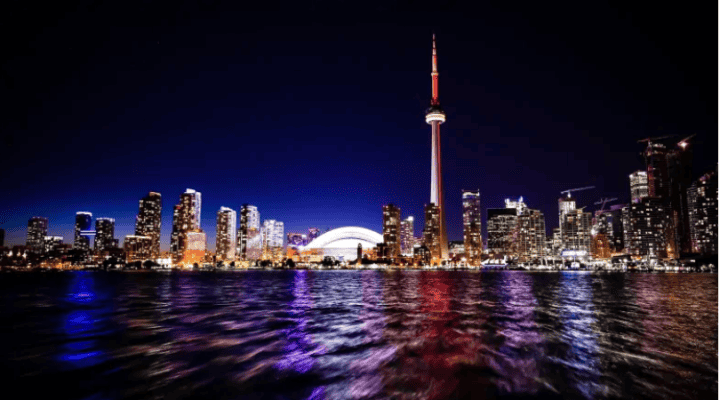
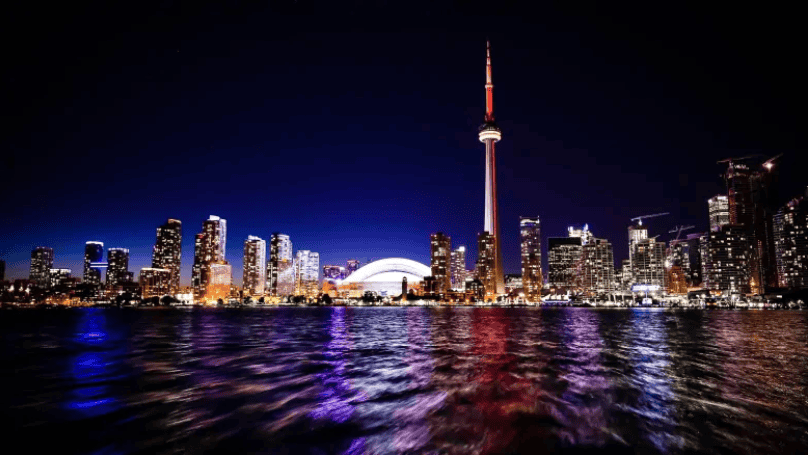
City officials, business owners want to beef up Toronto’s overnight economy

Mayor John Tory wants to look at ‘laws, regulations and practices’ around late-night businesses

On a Thursday night, Councillor is bustling with staff and servers doling out cocktails and pub fare.

But while the year-old upscale Parkdale sports bar is now thriving, it’s owner says getting to this point was “hell,” thanks to a cumbersome approval process at the city.

It took Chris Sherwood two years to actually open the bar on Queen Street West thanks to layers of red tape, including thousands of dollars for application fees and site maps, and trips to the committee of adjustment to get the green light for zoning variances.

Once Councillor opened, there was another challenge: getting people in the front door.

“It’s a busy area, but the people who live the condos — they don’t come out as often as people think they do,” Sherwood said with a laugh.

Sherwood makes it all work through advertising and word-of-mouth promotion, but he’s among those wondering if there’s more the city could do to help support late-night businesses like his.

“We’re supposed to be a world-class city,” he said. “That’s what world-class cities do.”

Increasingly, Toronto’s late-night scene is indeed on the radar of city officials. 

On Wednesday, Mayor John Tory announced the appointment of Deputy Mayor Michael Thompson as the city’s new “night economy ambassador.” It’s just the latest step to boost Toronto’s overnight social and economic spheres following council’s July endorsement of a report focused on strengthening the city’s nightlife. 

“Right now, the city is not set up to encourage [late-night] enterprises … I think we have to take a look at the laws, regulations and practices,” Tory said on Wednesday.

Businesses want fewer restrictions, lower property taxes

The growing focus comes amid fears over sky-high property taxes for corporate buildings — which are shuttering businesses like restaurants on main streets across the city — and a rising number of music venues closing down in recent years.

“We’re losing venues now because they’re being used for other types of economic initiatives and so on. This is an area we want to focus … We are a music city,” said Thompson.

Back at Councillor, Sherwood said the city could help businesses like his thrive by lobbying the province for lower commercial property taxes, which have been spiking thanks to rising building value assessments, and later drinking hours.

The province is reviewing its assessment system, officials recently told CBC Toronto, and already extended drinking hours to allow customers to imbibe earlier in the morning.

Ben Swirsky, co-founder of live music bar and restaurant Alchemy Food & Drink on College Street, agrees extending last call could be a boon for music venues in particular, which often rely on both foot traffic and, mostly, residents flowing in from other neighbourhoods.

“Obviously, you hope to be the next viral thing … The reality is, it’s more of a slow grind,” he said.

To Sherwood, the top thing municipal officials need to look at is streamlining the approval process to get late-night offerings open in the first place.

“No one at city hall will actually leave their office and come inspect what you’re trying to do,” he said. “They just look at paperwork and say, ‘Next, next, next.’ It was long and tedious.”

Ultimately, he said, Toronto needs fewer restrictions on where people can open late-night venues — since they’re what keep neighbourhoods thriving around-the-clock.

“Restaurants, bars, cafes — they bring people together,” he said.
Ford government seeking new powers to pass bills more quickly

Proposed changes to Legislature rules would shrink opportunities for public input, NDP says

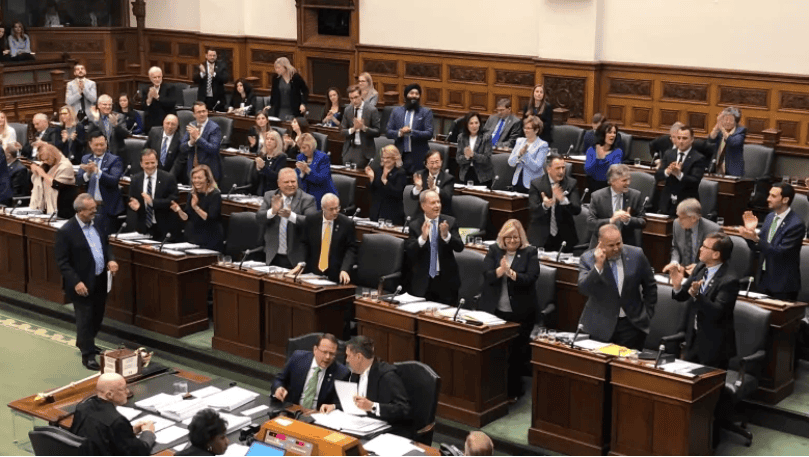
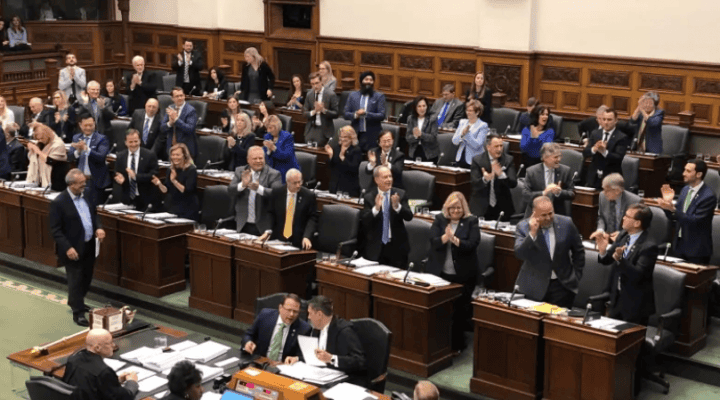
The government of Premier Doug Ford is proposing changes to the rules at Queen’s Park that would give it the power to pass bills into law more quickly. 

CBC News has obtained a copy of the proposals, which would allow the government to push legislation through multiple stages in one day and to call up to 50 per cent more night sittings of the Legislature than currently permitted.

The changes would alter the Legislature’s rules of procedure, known as the standing orders. While the proposals are currently being discussed with the opposition parties, the Progressive Conservative majority means the government can bring the changes into effect with a simple vote. 

Government House Leader Paul Calandra is downplaying the significance of the changes and says he has been consulting with the opposition parties on the proposals since the summer.

“It’s just about making the house work better, work smoother,” Calandra told reporters this week. “We put a number of proposals on the table and at this point we’re seeking feedback from the opposition members.”

The feedback from the New Democrats is decidedly negative. 

Paul Calandra, the government house leader, says the changes are aimed at ‘making the house work better, work smoother.’ 

“This government wants to ram through legislation, frankly, that they haven’t consulted on in the first place,” NDP Deputy Leader Sara Singh said at Queen’s Park this week. 

Singh said the changes would be detrimental to debate by “eliminating the opportunity for community members or stakeholders to get involved.” 

Most major government bills at Queen’s Park go through a committee hearing before a final vote. That allows MPPs from all official parties to invite people who would be affected by the legislation to speak out. The NDP says the rule changes would give the government more power to pass bills without public input. 

Another rule change would affect the ritual of question period. Right now, when the opposition poses a question to the premier, he has the option to hand it off it to a minister to respond, but must stand up to do so. The PCs are proposing to let the premier pass off questions without standing up. 

Calandra says other proposed rule changes would give more speaking time to independent MPPs. 

“I’m disappointed to hear the NDP have decided not to find ways to make the house work better, but that’s not going to stop us,” said Calandra.

Last year the PCs changed other rules in the Legislature to weaken the opposition’s ability to slow the passage of bills. 

Conservatives to try to force Trudeau’s hand over western alienation

Conservative Alberta MPs making their own plans to get more autonomy for province

The Conservatives warned on Sunday that they will use every measure available to force the Trudeau government to bend to their demands over western alienation. 

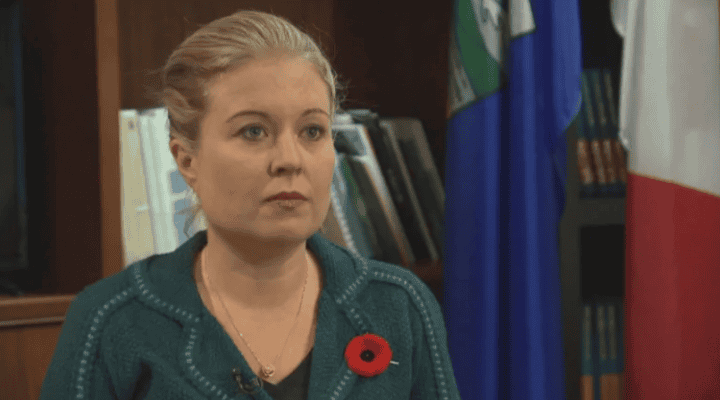
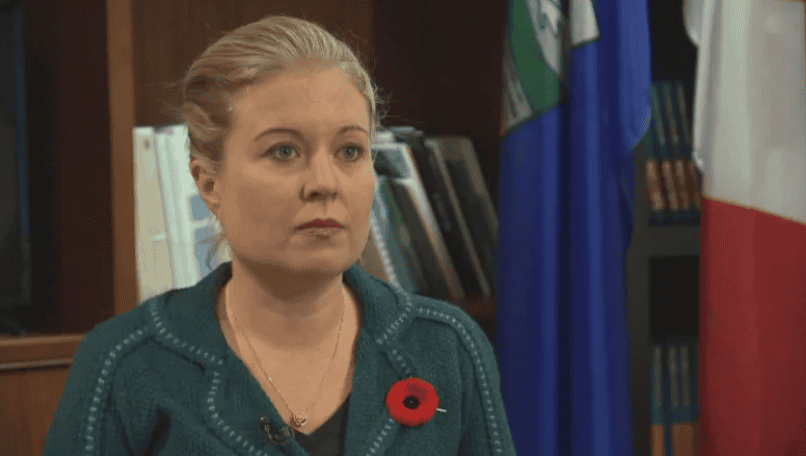
Calgary Nose Hill MP Michelle Rempel Garner said the interests of western provinces, such as Alberta and Saskatchewan, will be priority number one in the next session of Parliament — but she didn’t shed further light on what tools her party would rely on to achieve their goal other than to say “stay tuned.”

“Justin Trudeau has not come close to seeing the force of three million mobilized Albertans actively opposing his policies and actively showing the country the consequences of a unity crisis,” Rempel Garner said. “So my message to him is giddy up.”

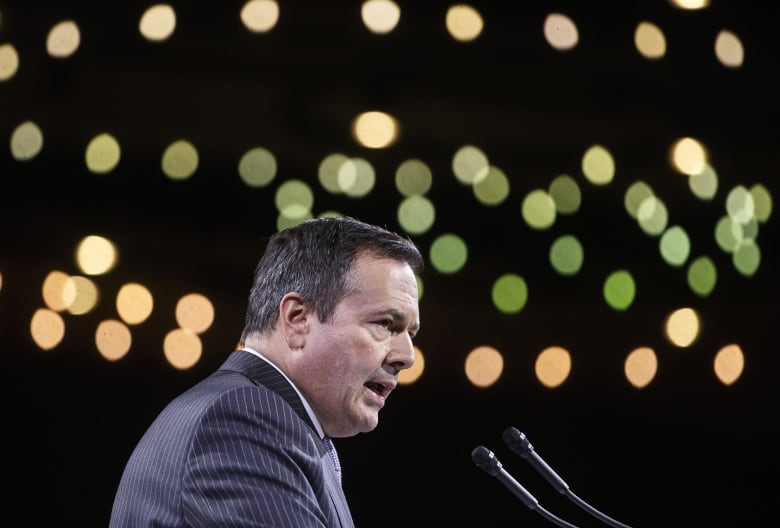
The message came a day after Alberta Premier Jason Kenney announced his United Conservative government was seeking more autonomy for the province, a direction similar to what Quebec has taken in the past.

Under the plan, Alberta will open offices in other provinces, introduce an act to give Albertans the power to petition referendums and create an advisory panel that will travel the province to consult on decisions, such as whether the province should establish its own revenue agency and police force.

Alberta Premier Jason Kenney is establishing a panel to advance Alberta’s independence. 

Rempel Garner called Kenney’s move appropriate, and said Conservative Alberta MPs are planning a complementary response to further the province’s independence and ensure it’s reflected in Trudeau’s next mandate.

“He’s going to have to deal with this as a first order of business,” Rempel Garner said.

“We have many experienced members of parliament that will be using every lever possible to make the rest of the country and Justin Trudeau understand how serious we are about this.” 

In response to Kenney’s announcement, the Prime Minister’s Office issued a statement by spokesperson Chantal Gagnon, which said Trudeau “hopes to meet with all premiers one on one at the earliest opportunity to work on shared goals and make life better for all Canadians.” 

Trudeau meeting Scheer, Sask. premier on Tuesday

Prime Minister Justin Trudeau has tapped former Alberta Cabinet Minister Anne McLellan to advise the government on western issues after the Liberals were completely shut out of Alberta and Saskatchewan during the Oct. 21 federal election

Addressing western concerns is the first order of business for the Conservatives, according to Rempel Garner, and it will be top of mind when Conservative Party Leader Andrew Scheer meets Trudeau on Tuesday. 

Trudeau will be meeting Scheer, along with the leaders of the other main political parties and premiers this week.

Saskatchewan Premier Scott Moe announced today that his one-on-one with Trudeau is scheduled for Tuesday in Ottawa.

“Following the election of Prime Minister Trudeau’s minority government, I raised three Saskatchewan priorities that I will be emphasizing with the Prime Minister: adjusting the inequitable equalization formula, putting a one-year pause on the carbon tax so federal and provincial officials can re-evaluate Saskatchewan’s plan to address climate change, and expanding market access for Saskatchewan exports,” Moe said in a written statement.

“In each case, we are proposing reasonable actions the Prime Minister and his minority government can take that will show he is prepared to address the concerns and frustrations of Saskatchewan people.”

Manitoba Premier Brian Pallister met with Trudeau last Friday, in which he offered friendly advice to the prime minister on how to address western anger.

Prime Minister Justin Trudeau, right, met with Manitoba Premier Brian Pallister in his office on Parliament Hill in Ottawa on Friday. 

“Fighting climate change is a unifying project. A political leader can divide, a prime minister should unite,” Pallister said.  “So as we move forward we should unite around fighting climate change and we should not be caught up in a subset of a subset. Carbon tax is not the only way [to deal with climate change].

“I think there are many messages that could be taken from the federal election, but definitely one of them is that this is a country that is divided on a number of key issues right now. So unification efforts and a willingness to change one’s approaches are important things.”

‘Status quo is not going to cut it’

Rempel Garner calls the situation a “unity crisis,” and has a clear set of demands for the Liberals.

“Be proud of the energy sector,” said Rempel Garner. 

“Scrap Bill C-69, scrap Bill C-48, stop politically vetoing pipelines and start understanding that the response to climate change is not solely making Alberta bear the response of policies that really do nothing to reduce greenhouse gas emissions and stoke division across the country.”

The passage of the two bills — C-48 concerns the legislation that bans oil tankers in northern B.C., while C-69 is legislation that overhauls Canada’s environmental assessment process ⁠— are key points of contention for Rempel Garner and her Tory colleagues who view the bills as anti-pipeline.

Rempel Garner also said there is a lack of understanding and an almost mocking tone across the country about how bad Alberta’s economy is doing. 

“The outcome, from my perspective and those in Alberta is very clear: the status quo is not going to cut it,” Rempel Garner said.

“I don’t think that Trudeau has seen or understands what our province is capable of.”

Snowfall warnings issued for stretch of eastern Ontario

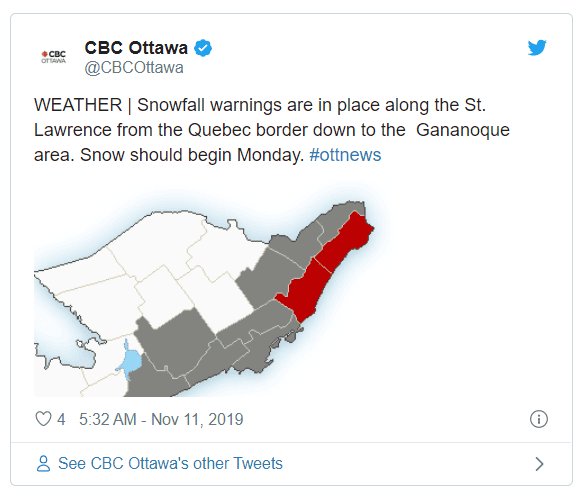
Warnings in place from Quebec border down to Gananoque, Ont., area

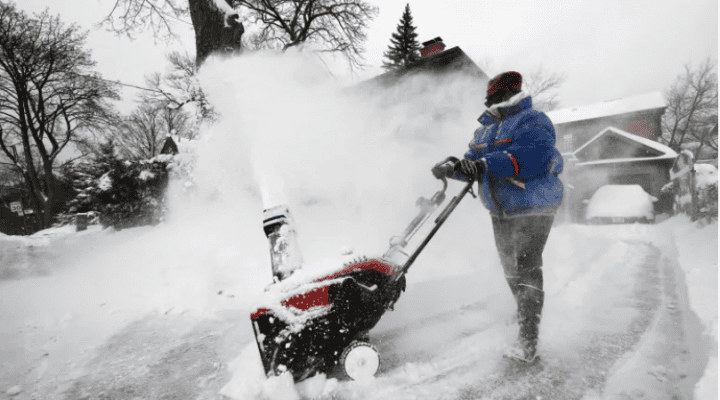
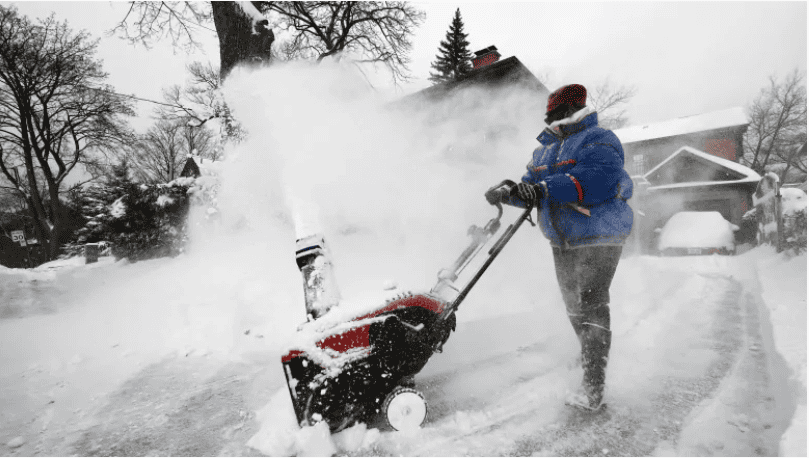
Environment Canada has issued snowfall warnings for a long stretch of eastern Ontario along the St. Lawrence River.

The weather agency is forecasting “significant” levels of snow to begin falling Monday afternoon from the Quebec border all the way south to the Gananoque, Ont., region.

Travel will be affected by the snowfall, which is being caused by a developing low pressure system that will track south of the Great Lakes tomorrow, Environment Canada said.

As much as 15 centimetres of snow could be dumped on communities like Gananoque, Brockville and Cornwall by Tuesday morning.

A winter travel advisory has also been issued for Ottawa from Monday afternoon until Tuesday morning, with snowfall levels possibly approaching 10 centimetres.

No warning has been issued, however.