Archives for May 19, 2019

B.C. businesses express relief as U.S.-Canada tariff fight appear over

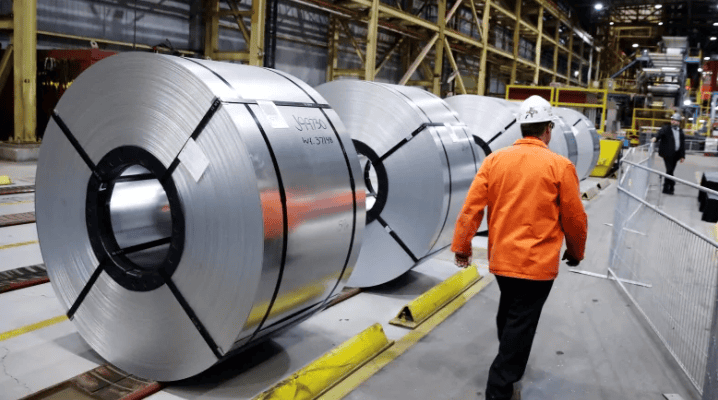
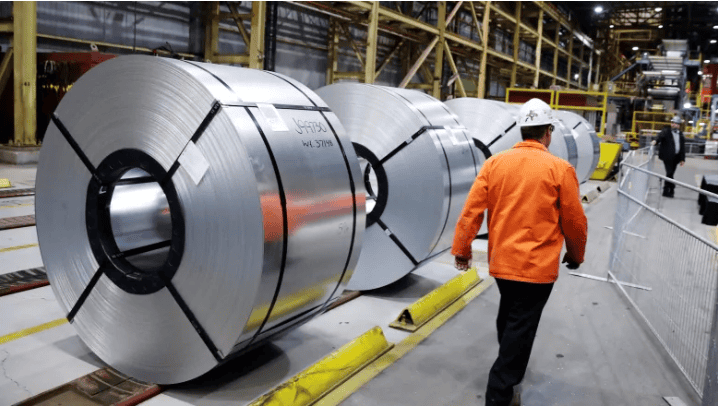
Many sectors of the British Columbia economy said the tariffs had a negative effect on their bottom lines.

‘Good news for the thousands of people in B.C. whose jobs were affected by these tariffs,’ says premier

B.C. politicians and businesses have expressed relief as an end appears near to a battle between Canada and the U.S. over steel and aluminium tariffs.

The Canadian government released a statement Friday saying Canada and the U.S. have agreed to eliminate the tariffs within two days.

The deal applies to the tariffs the U.S. imposed last June citing national security — 25 per cent on imports of steel and 10 per cent on aluminum — as well as Canada’s retaliatory tariffs on steel, aluminum and as other consumer products.

B.C. Premier John Horgan was one of many to welcome the news.

“This deal is good news for the thousands of people in B.C. whose jobs were affected by these tariffs,” Horgan said in a statement. “We heard from many B.C. companies that these tariffs gave them significant challenges on both sides of the border.”

Business leaders were also pleased.

In a statement, the Surrey Board of Trade said that city has the largest number of manufacturers in B.C., and the tariffs were an unfortunate restriction on international trade.

Its CEO, Anita Huberman, said she also hopes the trade agreement reached between Canada, the U.S., and Mexico last year will soon be ratified.

“Now we hope that the USMCA [United States-Mexico-Canada Agreement] will be ratified quickly by the U.S. Congress, so that we can continue to grow our global economy but we need to make sure that Canadian interests are also focused on in this new agreement,” Huberman said.

The tariffs were said to increase prices of many items in B.C.: from major infrastructure projects to boat dealers.

A spokesperson for the local construction industry said she was glad the issue seems to be settled.

“The lifting of tariffs — and more importantly, the ending of the trade dispute — allows construction projects to move forward with certainty about the price and supply of goods and materials that have been tariffed for almost 11 months,” said Vancouver Regional Construction Association president Fiona Famulak in a statement.
Zero-emission transport trucks set to hit Alberta roads

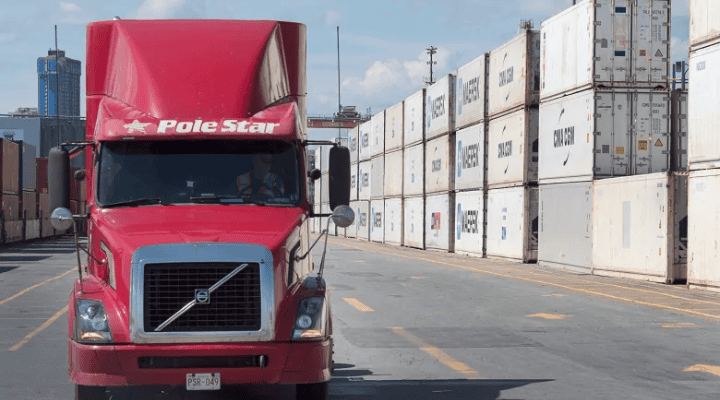
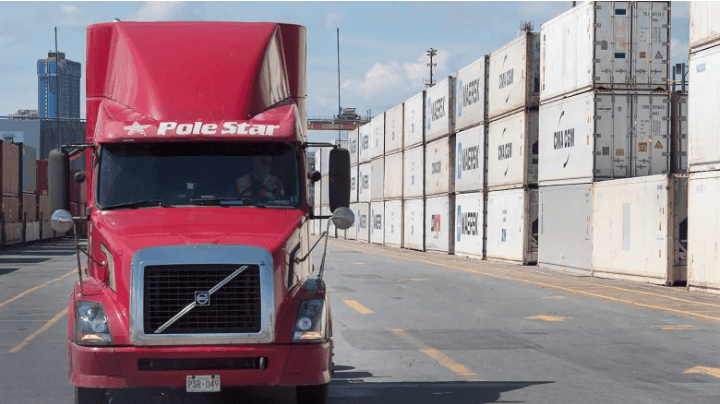
A new type of transport truck will produce zero emissions.

Industry-led project will test 2 heavy-duty hydrogen-power freight vehicles

A new type of heavy transport truck will soon be on the road in Alberta and its drivers won’t be fuelling up at gas stations.

The truck will run on electricity powered by hydrogen — and produce zero emissions.

Transport trucks are a major source of greenhouse gas emissions, which are scientifically linked to contributing to climate change. So researchers and industry want to know if electric power can move the heavy vehicles — and how much.

So they’re running a pilot project, led by the Alberta Motor Transport Association, to see if the power from hydrogen fuel will be enough. It will be a first for Canada.

“We’re really testing the ability of this new innovative technology to actually meet the needs of the trucking sector,” said David Layzell, director of the Canadian Energy Systems Analysis Research Initiative (CESAR). 

The project will develop two heavy-duty, 64-tonne hybrid trucks with hydrogen fuel cells. Over three years, they’ll move freight year-round between Edmonton and Calgary.

The $15-million project is scheduled to run until 2022.

Although the trucks don’t produce emissions themselves, their overall cleanliness depends on how the hydrogren is produced.

The cheapest way to get hydrogen currently is by converting it from natural gas, a technique that does produce emissions. That’s what these trucks will use for the pilot product.

However, Layzell said the trucks will be producing fewer emissions than if they were powered by diesel.

Freight transport contributes nearly 70 per cent of diesel fuel use in Alberta, his organization estimates. That contributes, it says, roughly 12 million tonnes of greenhouse gas emissions each year.

In the future, the hope is that the cost of producing hydrogen from renewable sources will likely come down, said Pembina Institute clean energy analyst Vincent Morales.

“Investing in hydrogen trucks with fossil fuels now still brings important benefits,” he said.

The pilot, he said, is a big step forward to cut emissions on the road.

Vancouver Aquarium sues city, park board over cetacean ban

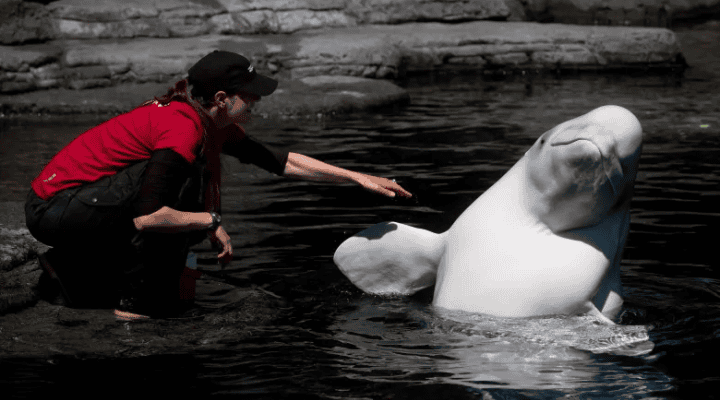
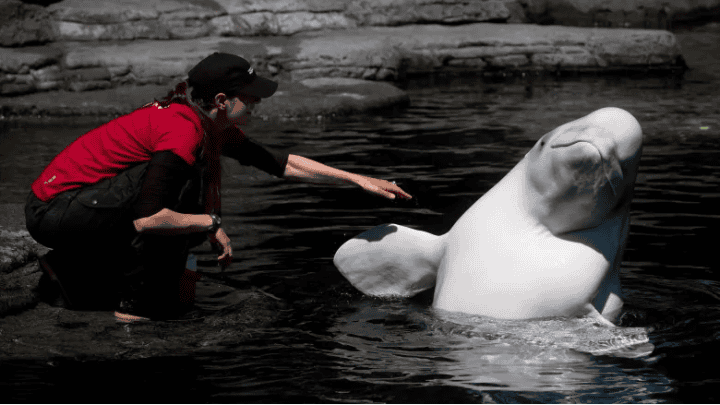
A trainer works with Beluga whale Aurora at the Vancouver Aquarium in Vancouver, B.C., on Wednesday June 25, 2014.

Aquarium claims it has lost millions in revenue and cites breach of contract

The Vancouver Aquarium is suing the city of Vancouver and the Vancouver Park Board over the 2017 cetacean ban, claiming it resulted in millions of dollars in lost revenue, and constituted a breach of contract.

In May 2017, the Vancouver Park Board voted to amend a bylaw that would ban bringing cetaceans into city parks, and prohibit shows and performances involving cetaceans.

The board also voted to ban the keeping of cetaceans in city parks, with the exception of cetaceans already present in the aquarium.

According to documents filed in B.C. Supreme Court by the aquarium’s parent company, Ocean Wise, on May 14, the aquarium is now seeking damages for breach of contract and incurred costs.

It claims the ban hindered the aquarium’s “ability to carry out day-to-day administration” of the centre, and “interfered with the permitted uses under the Licence Agreement.”

Decline in visitors

There are currently no whales on display at the Vancouver Aquarium, though there is one dolphin. Back in 1999 when the licence agreement with the park board was established, there were five belugas, one killer whale, and one Pacific white-sided dolphin.

In the court documents, the aquarium says it has seen a 13-per-cent decline in visitors in 2017 and 2018, resulting in a loss of $4-million in each of those years. 

The suit also says the aquarium has incurred major costs for a major expansion project that had been green lit by the park board.

Starting in the early 2000s, the aquarium began planning a $100-million dollar revitalization and expansion project, which included a “substantially renovated and expanded facilities for cetaceans, including larger pools for cetaceans.”

Volunteer observers at the Vancouver Aquarium watch Qila the Beluga.

The park board approved the proposed design, and in 2009 the aquarium began paying an increased licence fee of $170,000, a sharp increase from the previous $40,000 fee.

In 2014, the Vancouver Aquarium completed the first phase of the expansion project, which cost over $2.75 million to improve cetacean facilities.

When the ban was voted on in May 2017, the aquarium was preparing to begin construction on the second phase of the project.

It claims it had already undertaken costs for designing and planning the second phase, had obtained financial commitments, and had planned to bring back a small group of beluga whales which were on loan to other aquariums across North America.

One of many legal battles

The suit by the aquarium is just the latest in a series of legal challenges about whether cetaceans should be allowed at the facility.

After the May 2017 vote banning the import of new cetaceans to the city, the aquarium launched a legal challenge which it later withdrew, saying the heated public debate on the issue was hindering its conservation work.

In February 2018, the Supreme Court  ruled the park board didn’t have the authority to ban cetaceans, saying it was in conflict with its licensing agreement to not interfere with the aquarium’s operations. The park board successfully appealed that decision in February.

In a written statement, Ocean Wise declined to comment on the case because it is before the courts.

Toronto under shoreline hazard warning as Lake Ontario water levels rise

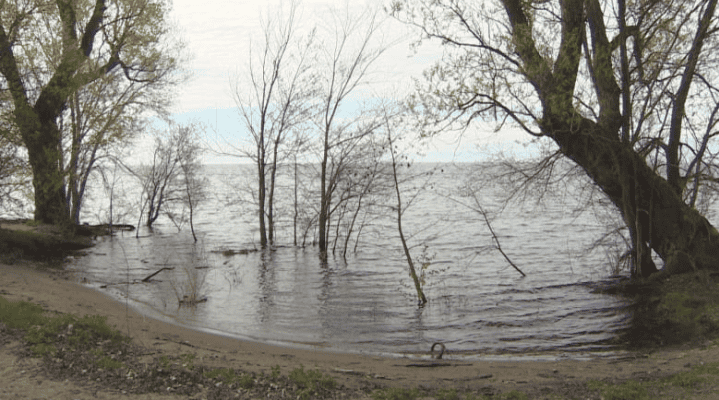
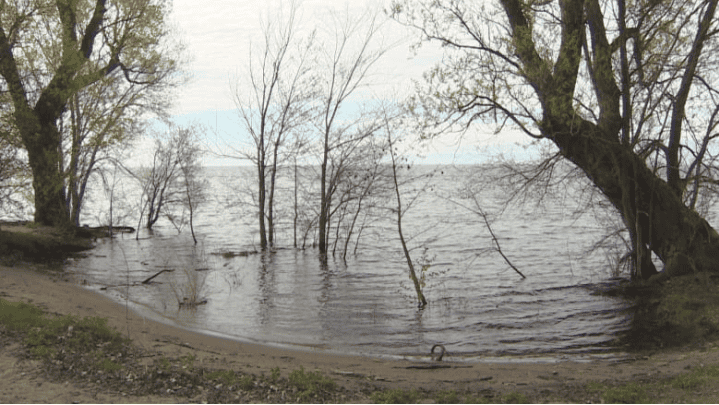
Some trees poke out of the water near Sunnyside Beach in Toronto’s west end on Saturday.

Some Toronto area beaches losing ground to high water, conservation authority notes

Toronto remains under a shoreline hazard warning as water levels on Lake Ontario are expected to continue to rise in the next few weeks.

The Toronto and Region Conservation Authority, which safeguards the city’s watersheds, said Lake Ontario’s water levels are currently below levels recorded in 2017, but given enough rain, the levels could reach those historic highs that caused flooding in and around the Toronto area and on the Toronto Islands.

“Whether or not the 2017 levels will be exceeded this year, will depend on precipitation in the coming weeks,” the conservation authority says in the warning.

“Once peaked, water levels in Lake Ontario will then take several weeks to recede back down to normal levels.”

As of Thursday, Lake Ontario’s water level is 75.74 metres above sea level. For comparison, the water level reached a peak of 75.93 metres in 2017.

High water levels on Lake Ontario did not deter four people from rowing on Saturday.

The conservation authority said “shortened” beaches, erosion, closures of trails and boardwalks, localized ponding and flooding have been observed at a number of areas in the Greater Toronto Area along the Lake Ontario shoreline. 

These areas include Budapest Park and Sunnyside Beach, Marilyn Bell Park, HTO Park, Harbour Square Park, Sugar Beach, Gibraltar Point on Toronto Islands, Woodbine Beach, Ashbridge’s Bay Park, and Kew and Balmy Beaches.

Further east, areas also affected by high water levels are Bluffer’s Park and Scarborough Bluffs, along the Doris McCarthy Trail and Guildwood Park shoreline, as well as Port Union near the mouth of Highland Creek, Rouge Beach Park, Frenchman’s Bay shoreline, Rotary Park in Ajax and Paradise Park Beach.

Agency says there’s a potential for landslides at the Bluffs

The conservation authority said it has issued a notice of caution specifically for the Scarborough Bluffs due to the potential for landslides.

Toronto residents are urged to exercise caution around all shoreline areas and to avoid areas that are flooded and being eroded. They are also being urged to obey all notices about trail closures. Children should be made aware of the dangers and closely supervised, it added.

“Boardwalks and other trails along Lake Ontario can be dangerous during times of high waves,” the conservation authority says.

The warning remains in effect until next Friday unless it is updated or cancelled. It was first issued on Thursday.

It’s going to be a wet Sunday night

Most of the rain this long weekend will be seen Sunday night, Environment Canada says.

Rob Kuhn with the federal weather agency says a cold front will be coming through Sunday night, so showers are expected between 6 p.m. and 1 a.m. on Monday morning.

“It will be a rain shower event, 5 to 10 mm, locally 25 mm, if you get a direct hit from a thunderstorm,” says Kuhn. He says some areas might get away with just trace amounts of rain.

“This time of the year, it starts to get difficult because everybody gets soaked.”