
How Medicare premiums could be the key to itemizing your taxes — and saving money




Production limits also played a role.
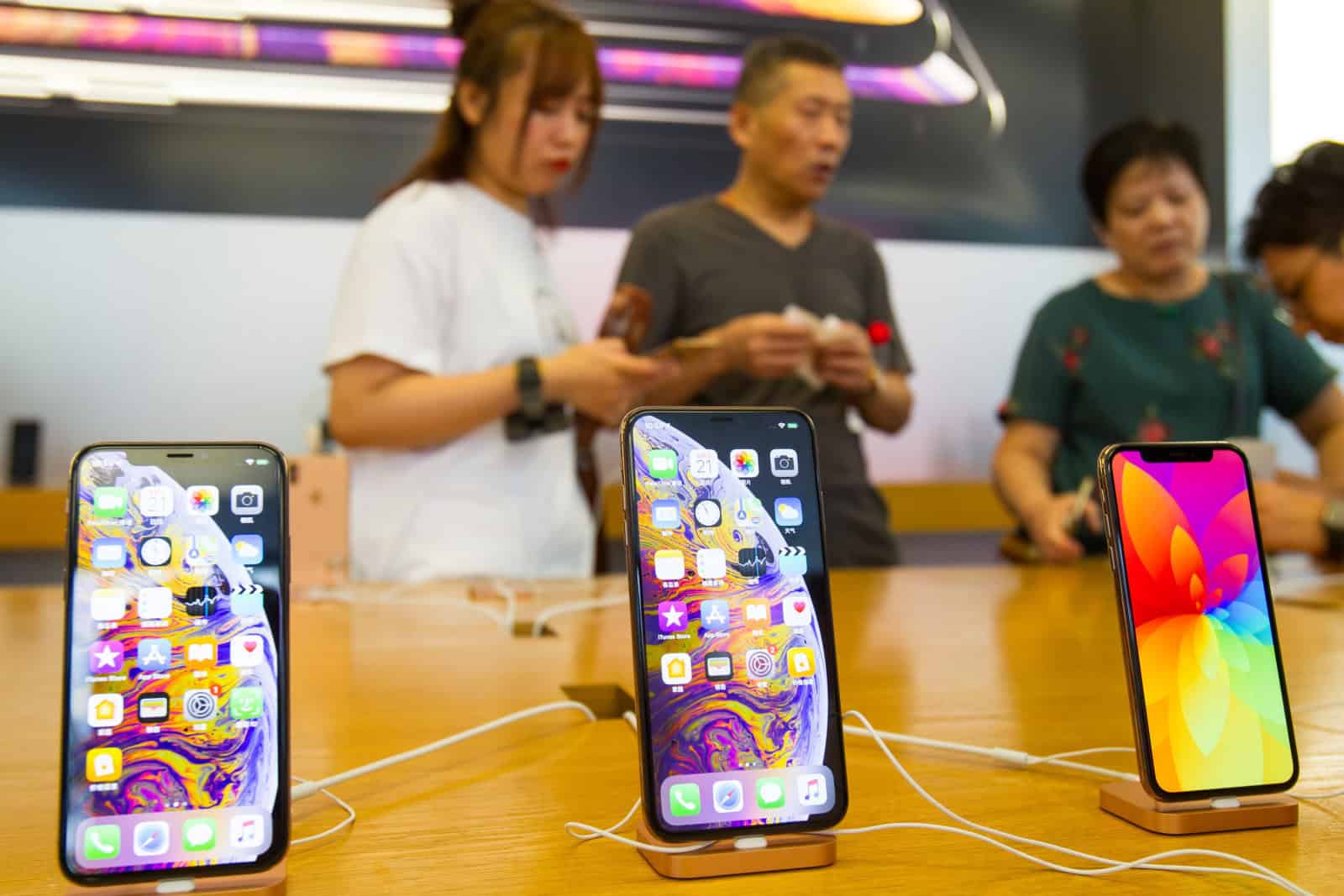
Smartphone sales are struggling, and Apple is now feeling the pinch from that decline. The tech firm has lowered its guidance for its first fiscal quarter (October to December of last year) from a minimum of $89 billion down to $84 billion due to a variety of factors, most notably due to “fewer iPhone upgrades than we had anticipated.” Most of the shortfall, Apple said, stemmed from China’s weak economy.
CEO Tim Cook noted that China’s economy slowed down in the second half of 2018, and that “trade tensions” (read: US tariffs) created “mounting uncertainty” in the market. That, in turn, spilled over to everyday people. There was a sharp drop in the overall Chinese smartphone market, and Apple saw fewer traffic to both its own stores and partners.
However, the company also acknowledged trouble in other parts of the world. iPhone sales weren’t as strong as expected in “some developed markets,” both due to economic changes (such as the consequences of a stronger US dollar) and the shifting nature of phone purchases. There are fewer carrier subsidies, Apple said, making phones seem more expensive. The company added that its reduced iPhone battery replacement prices may have also played a role by encouraging people to keep their iPhones a while longer.
Other factors? Apple also had many new products in the pipeline. Apple Watch Series 4, AirPods, the iPad Pro and the MacBook Air all fared well, but their supply was “constrained” for a large chunk of the quarter as production ramped up. Revenue for everything outside of the iPhone grew roughly 19 percent from year-to-year, Apple said.
Cook pointed out that Apple was “undertaking and accelerating” multiple steps to turn things around, including its recent phone trade-in program and help transferring data to new iPhones. Whether or not those work, the days of never-ending growth at Apple are over. While the company isn’t exactly facing a crisis ($84 billion is still a massive amount of money by any measure), it can’t count on sales growing as consistently as they did in the past.
The changes are aimed at making it easier to find what you want to watch.
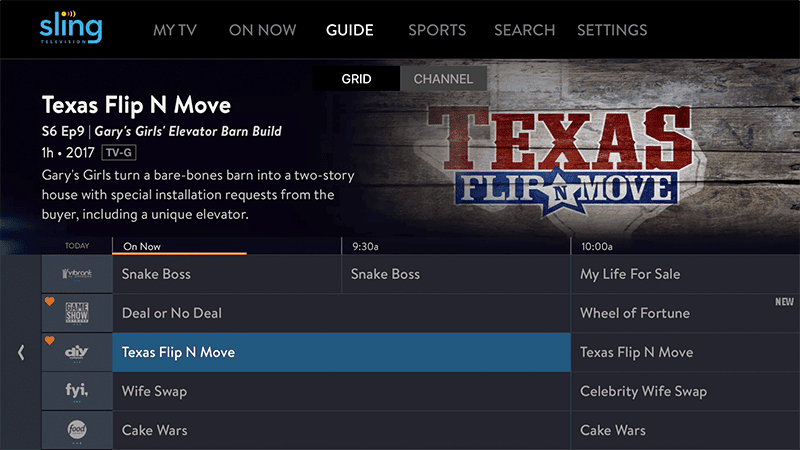
Apple TV users are getting some new Sling TV features that will make it easier to find and watch shows. Sling said the updates are geared towards being more “content-centric” and they include changes to the main guide, content information views and remote capabilities.
First, the grid guide will now show you more information when you select a listing. The top of the screen will feature a photo preview as well as a description of that listing, and the listings themselves will be larger. Additionally, channel category filters will be accessible from the left side of the screen. Secondly, when you select a show, the series’ information view will now include images as well as information about other seasons that you can watch on Sling.

Sling is also making it simpler to manage your shows. The “My Channels” ribbon will feature an edit button right at the beginning as will the “Continue Watching” ribbon, and the “Recordings” ribbon will have a feature that lets you view all of your recordings with one tap. Further, when you’re scrolling through rows of content, those rows will loop you back to the beginning once you’ve reached the end, so you won’t have to scroll all the way back to the start yourself.
Sling is also adding remote capabilities for Apple TV users. You’ll now be able to use the remote touchpad to get information about what you’re watching, have more control over how far you’re rewinding or fast-forwarding and see if the program you’re streaming includes player controls.
The company said that the Apple TV user interface updates were based on customer feedback. It added that these features will be available on other Sling TV devices sometime in the future.