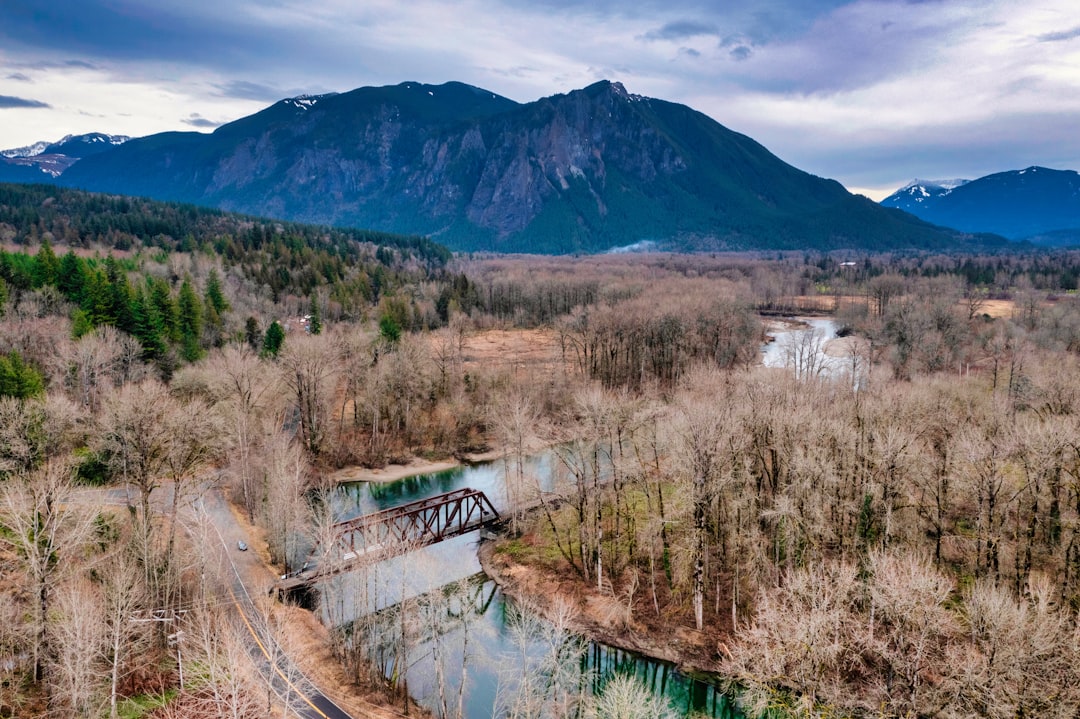
Canada’s vast northern territories are experiencing an unprecedented transformation as technological advances and strategic government initiatives converge to unlock trillions of dollars in untapped natural resources. This northern resource development wave represents one of the most compelling investment themes emerging in the Canadian market, driven by global demand for critical minerals and innovative extraction technologies.
The numbers tell a compelling story. Government geological surveys estimate that Canada’s northern regions contain approximately 60% of the world’s undiscovered nickel deposits, 40% of platinum group metals, and substantial reserves of rare earth elements essential for renewable energy technologies. These deposits, previously considered inaccessible due to harsh climatic conditions and remote locations, are now becoming economically viable through advances in cold-weather mining technology and remote operations.
Infrastructure development has been the critical catalyst enabling northern resource development on an unprecedented scale. The completion of major transportation corridors, including the extension of the Mackenzie Valley Highway and enhanced Arctic shipping routes, has dramatically reduced the cost of moving equipment and materials to remote mining sites. Additionally, the deployment of satellite-based internet networks has enabled real-time monitoring and operation of mining equipment from thousands of kilometers away.
Climate change, while presenting global challenges, has paradoxically created opportunities for northern resource development by extending the operational seasons in Arctic regions. Extended ice-free periods now allow for longer shipping windows, while improved weather patterns have made year-round operations more feasible at sites previously accessible only during summer months.
The geopolitical landscape has further accelerated interest in northern resource development as Western nations seek to reduce dependence on foreign suppliers for critical minerals. Canada’s stable political environment and established mining regulatory framework position the country as an attractive alternative to traditional resource suppliers in politically volatile regions.
Major mining companies are already capitalizing on these trends. Recent announcements include multi-billion dollar commitments to develop copper and gold deposits in Nunavut, while junior mining companies are securing exploration rights across vast territories in the Northwest Territories and northern Quebec. These projects are attracting international investment partnerships, with European and Asian investors seeking secure access to critical mineral supplies.
Technological innovation continues to drive down operational costs for northern resource development projects. Autonomous mining equipment designed for extreme weather conditions, advanced ore processing techniques that require minimal water usage, and renewable energy solutions adapted for Arctic conditions are making previously marginal projects economically attractive.
The Canadian government’s strategic support through tax incentives, infrastructure investments, and streamlined permitting processes has created a favorable environment for northern resource development. Recent federal budget allocations specifically target northern mining infrastructure, while provincial governments are offering competitive royalty structures to attract investment.
Environmental considerations are being integrated into northern resource development planning from the outset, with companies adopting rehabilitation protocols and working closely with Indigenous communities to ensure sustainable development practices. These partnerships are proving mutually beneficial, providing economic opportunities for northern communities while ensuring responsible resource extraction.
For investors, northern resource development represents a rare opportunity to participate in the early stages of what could become one of Canada’s most significant economic growth drivers. The combination of vast untapped resources, improving infrastructure, favorable government policies, and technological advances creates a compelling investment thesis that extends well beyond traditional commodity cycles. As global demand for critical minerals continues to accelerate, Canada’s northern territories are positioned to become a cornerstone of the global resource supply chain.