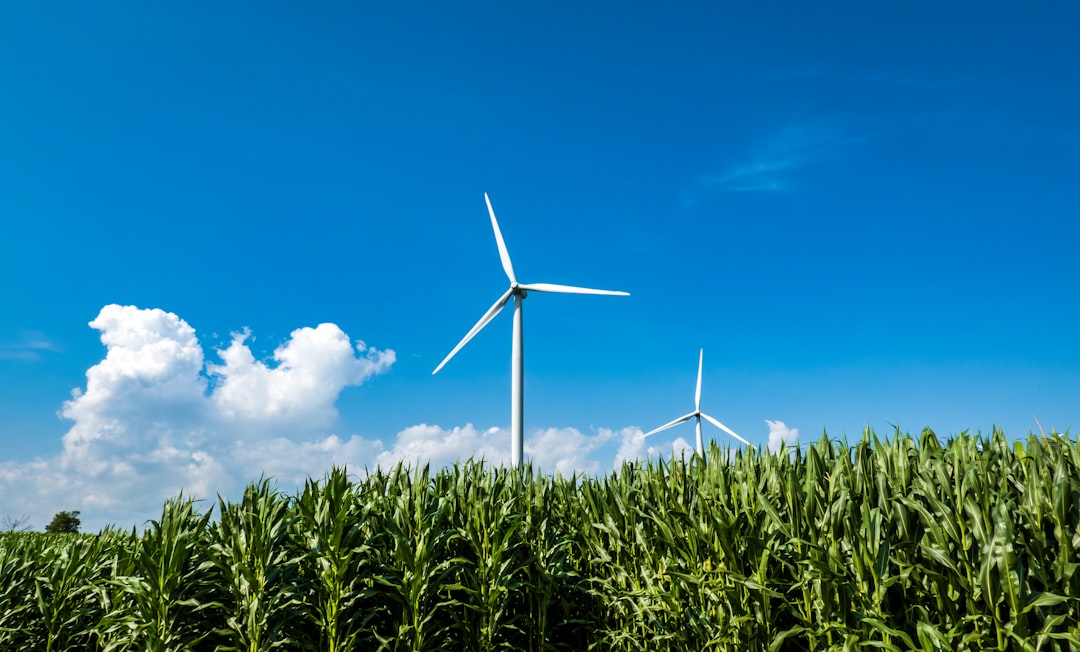
The global clean energy transition play has evolved from an aspirational goal into a multi-trillion-dollar investment opportunity, fundamentally reshaping how institutional investors allocate capital across technology and resource sectors. What began as government-subsidized experiments in renewable energy has transformed into a sophisticated ecosystem where private equity, sovereign wealth funds, and multinational corporations are deploying unprecedented amounts of capital to capture value across the entire clean energy value chain.
At the technology forefront, battery storage systems represent perhaps the most compelling aspect of the current clean energy transition play. Advanced lithium-ion technology costs have plummeted by over 85% since 2010, while energy density has nearly doubled. This dramatic improvement trajectory has unlocked massive investment flows into next-generation battery chemistries, including solid-state designs and alternative materials like sodium-ion and iron-air systems. Major technology firms are committing billions to manufacturing facilities, with new gigafactories coming online across North America, Europe, and Asia at an accelerating pace.
The infrastructure component of the clean energy transition play extends far beyond individual renewable projects. Grid modernization represents a critical bottleneck that savvy investors are targeting through investments in advanced transmission systems, smart grid technologies, and energy management software platforms. The integration challenge of variable renewable sources like wind and solar requires sophisticated balancing mechanisms, creating opportunities for companies developing predictive algorithms, demand response systems, and real-time grid optimization tools.
Resource investments within the clean energy transition play have created entirely new commodity dynamics, particularly for critical minerals essential to renewable technologies. Lithium, cobalt, nickel, and rare earth elements have experienced unprecedented demand growth, driving exploration and development activities across multiple continents. However, the investment thesis extends beyond traditional mining approaches, encompassing recycling technologies, alternative extraction methods, and supply chain diversification strategies designed to reduce geopolitical risks.
Hydrogen technology represents an emerging frontier within the broader clean energy transition play, attracting significant venture capital and corporate investment. Green hydrogen production through electrolysis using renewable energy sources has reached commercial viability in select markets, while blue hydrogen production with carbon capture provides a bridge technology. Industrial applications including steel production, chemical manufacturing, and heavy transportation are driving demand for hydrogen infrastructure investments, from production facilities to specialized storage and transport systems.
The financial architecture supporting the clean energy transition play has become increasingly sophisticated, with new investment vehicles and financing mechanisms emerging to match the unique risk-return profiles of different technologies and deployment stages. Green bonds have surpassed $500 billion in annual issuance, while specialized clean energy investment funds are attracting institutional capital seeking exposure to the sector’s growth potential. Public-private partnerships are facilitating large-scale infrastructure deployment, sharing risks while providing stable returns for pension funds and insurance companies.
Geographic diversification within the clean energy transition play reflects both resource availability and policy environments. While China continues to dominate manufacturing capacity for solar panels and battery components, Western nations are investing heavily in domestic supply chain capabilities to reduce dependencies. The United States Inflation Reduction Act and European Green Deal have created substantial incentive structures that are redirecting global capital flows toward domestic clean energy manufacturing and deployment.
Looking ahead, the clean energy transition play is entering a maturation phase where early-stage technologies are scaling toward commercial deployment while new breakthrough innovations continue emerging from research laboratories. Artificial intelligence applications for energy optimization, advanced materials for more efficient solar cells, and novel approaches to energy storage are attracting venture capital investment, suggesting the innovation pipeline remains robust. As costs continue declining and performance improves, the clean energy transition play represents not just an environmental imperative, but an increasingly compelling investment opportunity that is reshaping global energy markets and creating lasting value for forward-thinking investors.