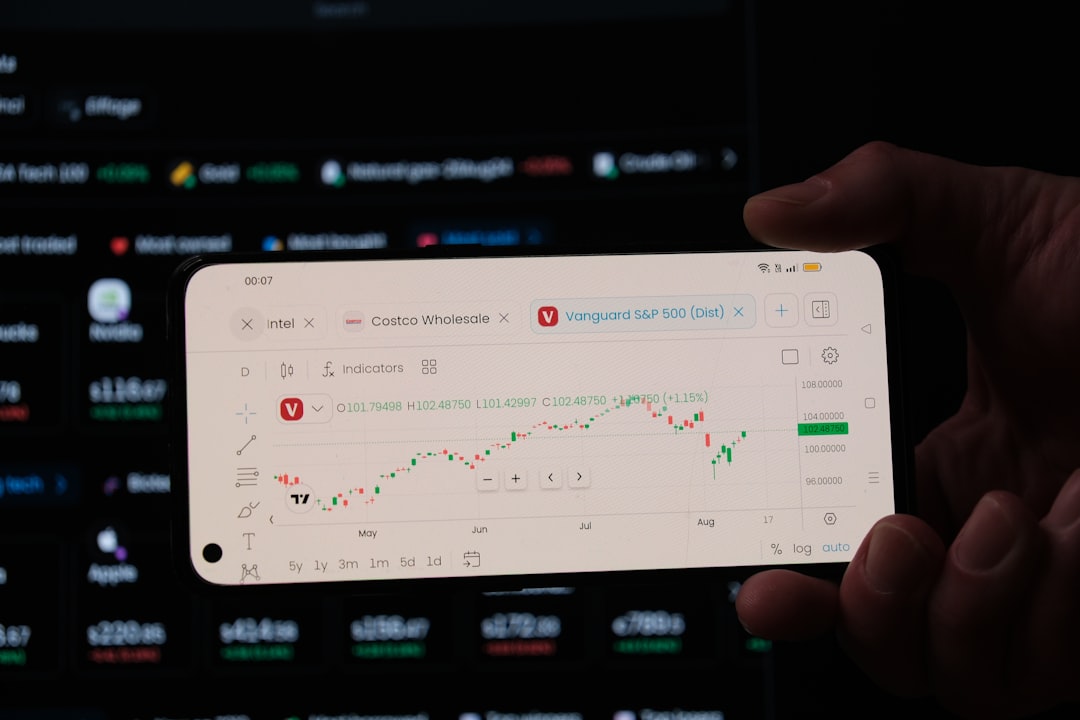
The Toronto Stock Exchange technology sector has emerged as a powerhouse for initial public offerings, creating exceptional opportunities for discerning investors who understand how to analyze emerging companies before they capture mainstream attention. While many investors chase established tech giants, the most significant returns often come from identifying promising TSX tech IPO candidates during their early stages when institutional money hasn’t yet driven valuations to premium levels.
Recent market data reveals fascinating patterns in how successful technology companies transition from private to public markets on the TSX. Companies that demonstrate strong revenue growth coupled with expanding profit margins typically outperform their peers by substantial margins during the first eighteen months of trading. The key lies in understanding which metrics actually predict long-term success versus short-term hype that often accompanies high-profile launches.
Revenue trajectory analysis forms the foundation of any serious TSX tech IPO evaluation. Companies showing consistent quarterly growth above 25% while maintaining healthy gross margins above 60% historically deliver superior returns to early investors. However, growth alone doesn’t guarantee success. The most reliable buy signals emerge when rapid revenue expansion coincides with improving operational efficiency and expanding market opportunities within scalable business models.
Market timing plays a crucial role in TSX tech IPO success stories. Companies that go public during favorable market conditions with strong sector sentiment tend to achieve higher initial valuations and maintain momentum longer than those launching during uncertain periods. Smart investors monitor broader technology sector performance, interest rate environments, and institutional appetite for growth stocks when evaluating optimal entry points.
Technical analysis provides additional layers of insight for TSX tech IPO investments. Price action during the first few trading days often establishes patterns that persist for months. Companies that maintain their IPO price or trade above initial levels while building healthy trading volumes typically demonstrate stronger underlying demand than those experiencing immediate volatility or downward pressure.
Due diligence extends far beyond financial statements when analyzing technology IPOs. Management team experience, competitive positioning, intellectual property portfolios, and customer concentration all influence long-term prospects. Companies with diversified customer bases, proprietary technology advantages, and leadership teams with proven track records scaling businesses typically navigate public market challenges more successfully than those lacking these characteristics.
Valuation multiples deserve careful consideration when evaluating any TSX tech IPO opportunity. While growth companies often trade at premium valuations compared to established businesses, sustainable price-to-sales ratios typically fall between 8-15 times annual revenue for most technology sectors. Companies priced significantly above these ranges face increased pressure to deliver exceptional results to justify their valuations.
The most successful TSX tech IPO investors combine fundamental analysis with strategic patience. Rather than chasing immediate gains, they identify companies with strong business models, capable management teams, and reasonable valuations, then allow time for the market to recognize underlying value. This approach has consistently generated superior returns compared to speculative trading strategies focused on short-term price movements.
Current market conditions present unique opportunities for investors willing to conduct thorough research on emerging TSX tech IPO candidates. Companies going public today face different challenges and opportunities compared to previous market cycles, requiring updated analytical frameworks that account for evolving technology landscapes, changing consumer behaviors, and shifting competitive dynamics. Those who master these evaluation techniques position themselves to capitalize on the next generation of technology leaders before they become household names.