
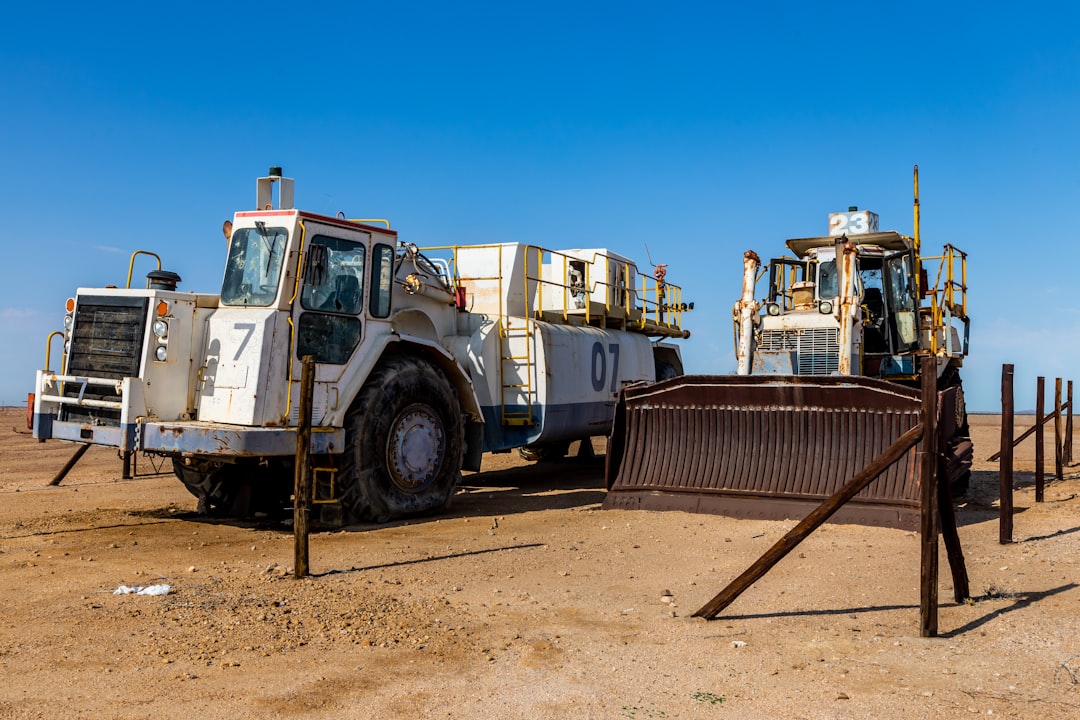
Canadian energy markets are experiencing unprecedented attention as institutional and retail investors alike focus intensely on every oil sands production update that emerges from Alberta’s vast bitumen reserves. This heightened scrutiny reflects the sector’s outsized influence on Canada’s economic trajectory and the substantial returns that informed positioning can generate for astute market participants.
The oil sands represent Canada’s most significant energy asset, contributing over 60% of the nation’s total crude oil production. When companies like Suncor Energy, Canadian Natural Resources, and Imperial Oil release quarterly production figures, trading volumes typically surge within hours as algorithms and fund managers rapidly adjust positions. Each oil sands production update carries the potential to move not just individual stock prices, but entire market indices, making these announcements pivotal events for portfolio managers overseeing billions in Canadian assets.
What makes these production updates particularly compelling for investors is their predictive power regarding future cash flows and dividend sustainability. Oil sands operations require substantial upfront capital investments but offer decades of productive life once operational. Unlike conventional drilling projects that may deplete within years, a single oil sands facility can generate consistent output for 30 to 50 years. This longevity means that quarterly production variations often signal longer-term operational trends that sophisticated investors use to model future returns with greater confidence.
Market dynamics have evolved significantly, with environmental, social, and governance considerations now playing crucial roles in how investors interpret each oil sands production update. Companies demonstrating improved environmental performance alongside robust production metrics command premium valuations, while those showing operational inefficiencies face swift capital flight. This dual focus on production volumes and sustainability metrics has created a more nuanced investment landscape where pure output numbers alone no longer drive investment decisions.
The global energy transition adds another layer of complexity to how investors evaluate production data. Forward-thinking fund managers increasingly view oil sands production updates through the lens of carbon intensity and technological innovation. Companies investing heavily in carbon capture technologies, steam optimization, and renewable energy integration for their operations often see their stock prices react more favorably to production announcements than peers relying on conventional extraction methods.
Currency implications represent another critical factor driving investor attention to production updates. Oil sands revenues are typically denominated in US dollars, while operational costs occur primarily in Canadian dollars. Strong production numbers during periods of favorable exchange rates can dramatically amplify profit margins, making timing and production consistency essential variables for currency-hedged investment strategies. Sophisticated investors often position themselves ahead of expected production announcements to capitalize on these multi-layered profit opportunities.
Technology adoption rates revealed in production updates also influence long-term investment thesis development. Companies successfully deploying artificial intelligence for reservoir optimization, autonomous vehicle fleets, or advanced bitumen upgrading processes often demonstrate superior production efficiency trends. These technological advantages compound over time, creating sustainable competitive moats that justify premium investment allocations among growth-oriented Canadian energy portfolios.
The interconnected nature of oil sands operations means that individual company production updates often provide insights into broader regional trends affecting multiple operators. Shared infrastructure, common labor markets, and similar geological challenges create correlations that experienced investors exploit through sector rotation strategies and pairs trading approaches that depend heavily on accurate, timely production data interpretation.
For Canadian investors, staying current with oil sands production updates has become essential for portfolio optimization in a resource-dependent economy. These regular data releases offer unparalleled insights into one of Canada’s most economically significant industries, providing the foundation for investment decisions that can substantially impact long-term wealth accumulation. Whether pursuing income through dividend-focused strategies or seeking capital appreciation through growth plays, understanding the implications of each production update remains fundamental to successful Canadian energy sector investing.