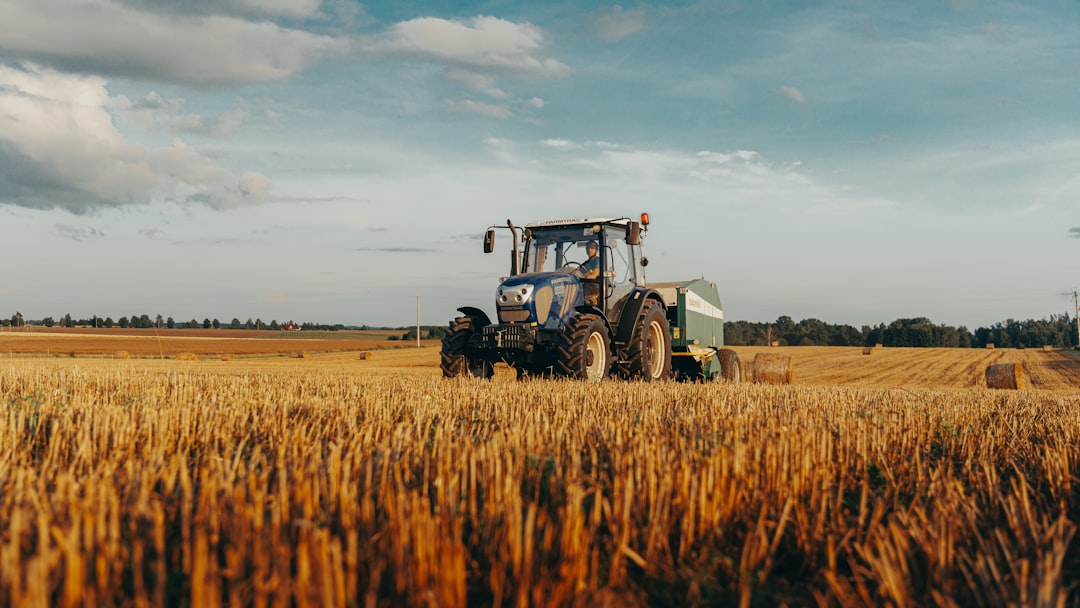
Agricultural commodities represent one of the most dynamic and potentially profitable investment sectors, yet many investors struggle to capitalize on market opportunities. With global food demand projected to increase by 60% over the next two decades and climate volatility reshaping production patterns, understanding how to leverage the agricultural commodity outlook has never been more critical for portfolio success.
The agricultural markets offer unique advantages that traditional asset classes cannot match. Unlike stocks or bonds, agricultural commodities are essential resources with inelastic demand, creating consistent baseline value even during economic downturns. However, maximizing returns requires strategic analysis, proper timing, and sophisticated risk management approaches.
Understanding Market Cycles and Seasonal Patterns
Successful agricultural commodity investing begins with recognizing the cyclical nature of farm production and consumption patterns. The agricultural commodity outlook is heavily influenced by planting and harvest seasons, weather patterns, and global trade flows that create predictable price movements throughout the year.
Grain commodities like corn and wheat typically see price peaks during spring planting concerns and late summer harvest periods. Livestock commodities follow different cycles, with cattle prices often rising during summer grilling season and declining during winter months. By studying these historical patterns and overlaying them with current supply and demand fundamentals, investors can identify optimal entry and exit points.
Weather remains the most significant variable affecting short-term price volatility. El Niño and La Niña patterns can dramatically impact crop yields across different regions, creating substantial trading opportunities for prepared investors. Monitoring meteorological data, satellite crop monitoring reports, and government agricultural surveys provides crucial intelligence for timing investment decisions.
Diversification Strategies Across Agricultural Sectors
Building a robust agricultural portfolio requires strategic diversification across multiple commodity categories and geographic regions. The agricultural commodity outlook varies significantly between grains, soft commodities, and livestock, each responding to different economic drivers and seasonal factors.
Grains and oilseeds offer exposure to global food security trends and biofuel demand. Corn benefits from both food consumption and ethanol production, while soybeans provide protein for growing Asian markets and vegetable oil for industrial applications. Wheat serves as a dietary staple across diverse cultures, making it relatively recession-resistant.
Soft commodities like coffee, sugar, and cocoa provide geographic diversification and exposure to emerging market consumption growth. These commodities often trade independently from grains, offering portfolio balance during periods of grain market volatility. Livestock commodities, including cattle and hogs, provide protein exposure and tend to benefit from rising middle-class incomes in developing nations.
Risk Management and Position Sizing
Agricultural commodity markets can experience extreme volatility, making proper risk management essential for long-term success. The agricultural commodity outlook must always be balanced against position sizing that protects capital during adverse market movements.
Implementing stop-loss orders and profit-taking strategies prevents emotional decision-making during volatile periods. Many successful agricultural investors use a systematic approach, allocating no more than 5-10% of their portfolio to any single commodity and maintaining position sizes that allow for multiple entry attempts if initial timing proves incorrect.
Futures contracts offer leverage that can amplify returns but also magnify losses. Beginning investors should consider exchange-traded funds (ETFs) or commodity index funds that provide agricultural exposure without the complexity and margin requirements of direct futures trading. These vehicles offer professional management and built-in diversification while maintaining exposure to agricultural price movements.
Technology and Data Analytics for Enhanced Decision Making
Modern agricultural investing increasingly relies on sophisticated data analysis and technology platforms that provide real-time market intelligence. The agricultural commodity outlook benefits tremendously from satellite imagery, weather modeling, and artificial intelligence systems that process vast amounts of market-moving information.
Satellite monitoring services can detect crop stress, estimate yield potential, and identify production problems weeks before traditional reporting methods. This early intelligence provides significant advantages for positioning ahead of market-moving announcements. Weather forecasting models have improved dramatically, allowing investors to anticipate weather-related supply disruptions with greater accuracy.
Government reports from the USDA and international organizations provide official supply and demand estimates, but successful investors learn to read between the lines and identify when market expectations diverge from likely reality. Social media sentiment analysis and shipping data provide additional layers of market intelligence for sophisticated investors.
Maximizing returns from agricultural commodity investments requires combining fundamental analysis with technical expertise, disciplined risk management, and continuous market education. The agricultural commodity outlook remains compelling for investors who approach these markets with proper preparation and realistic expectations. By understanding seasonal patterns, implementing diversification strategies, managing risk appropriately, and leveraging modern analytical tools, investors can build profitable exposure to one of humanity’s most essential economic sectors while contributing to global food security solutions.