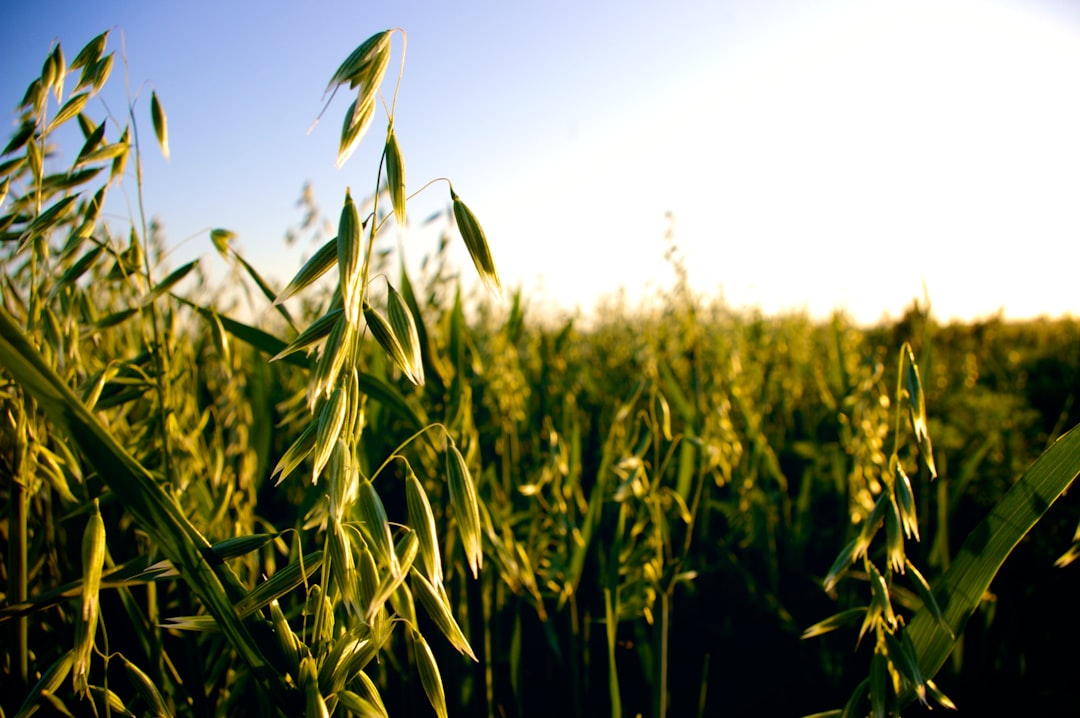
Agricultural commodity markets present some of the most dynamic and potentially rewarding investment opportunities available today. With global food demand continuing its relentless climb and climate patterns becoming increasingly unpredictable, understanding how to leverage an agricultural commodity outlook has become essential for serious investors seeking substantial returns.
The foundation of successful agricultural investing lies in developing a comprehensive understanding of supply and demand fundamentals. Unlike traditional financial markets, agricultural commodities are deeply influenced by factors ranging from weather patterns and seasonal cycles to geopolitical tensions and technological advances in farming practices. Investors who master the art of interpreting these complex variables through careful agricultural commodity outlook analysis position themselves to capitalize on price movements that often catch less-prepared market participants off guard.
Weather remains the single most influential factor driving agricultural commodity prices, making meteorological analysis a cornerstone of any robust investment strategy. El Niño and La Niña patterns, drought conditions in major growing regions, and unexpected flooding can dramatically alter crop yields and create significant price volatility. Successful investors develop relationships with agricultural meteorologists and subscribe to specialized weather services that provide detailed forecasts for key growing regions worldwide. This information becomes invaluable when constructing an agricultural commodity outlook that accurately reflects potential supply disruptions.
Timing entry and exit points requires a nuanced understanding of seasonal patterns that govern agricultural markets. Corn prices typically experience their lowest points during harvest season when supply floods the market, while demand peaks often coincide with livestock feeding seasons and ethanol production cycles. Wheat markets demonstrate distinct patterns tied to Northern and Southern Hemisphere growing seasons, creating multiple opportunities throughout the year for informed investors. By incorporating these cyclical patterns into their agricultural commodity outlook, investors can identify optimal windows for position establishment and profit-taking.
Technology adoption in agriculture continues accelerating, fundamentally altering production capabilities and investment considerations. Precision farming techniques, genetically modified seeds, and advanced irrigation systems are dramatically improving yields in many regions while reducing production costs. Investors who stay current with agricultural innovation trends can anticipate supply increases that may pressure prices in certain commodities while identifying emerging opportunities in specialized crops or sustainable farming practices.
Risk management becomes paramount when investing in agricultural commodities due to their inherent volatility and susceptibility to external shocks. Diversification across different crop types, geographic regions, and investment vehicles helps mitigate concentration risk while maintaining exposure to the sector’s growth potential. Options strategies can provide downside protection while preserving upside participation, particularly valuable given the explosive price movements that characterize agricultural markets during supply disruption events.
Global trade policies and currency fluctuations add additional layers of complexity that sophisticated investors must navigate. Trade disputes between major agricultural producers and consumers can instantly reshape market dynamics, creating both risks and opportunities for prepared investors. Currency strength in exporting nations affects competitiveness in global markets, while import tariffs and subsidies distort natural price discovery mechanisms. A comprehensive agricultural commodity outlook must account for these political and economic factors alongside fundamental supply and demand analysis.
Investment vehicles for agricultural commodity exposure have expanded significantly, offering investors multiple ways to participate in market movements. Direct futures contracts provide the most leveraged exposure but require substantial expertise and risk tolerance. Exchange-traded funds focused on agricultural commodities offer diversified exposure with lower complexity, while shares in agricultural companies provide indirect participation with additional business risk considerations. The choice of investment vehicle should align with individual risk tolerance and investment timeline while supporting the overall agricultural commodity outlook strategy.
Maximizing returns in agricultural commodity markets demands a disciplined approach that combines fundamental analysis, technical expertise, and risk management principles. Investors who develop comprehensive agricultural commodity outlook capabilities while maintaining flexibility to adapt to changing market conditions position themselves to benefit from one of the world’s most essential and dynamic sectors. Success requires patience, continuous learning, and the wisdom to recognize that agricultural markets reward those who respect their complexity while maintaining conviction in their analytical frameworks.