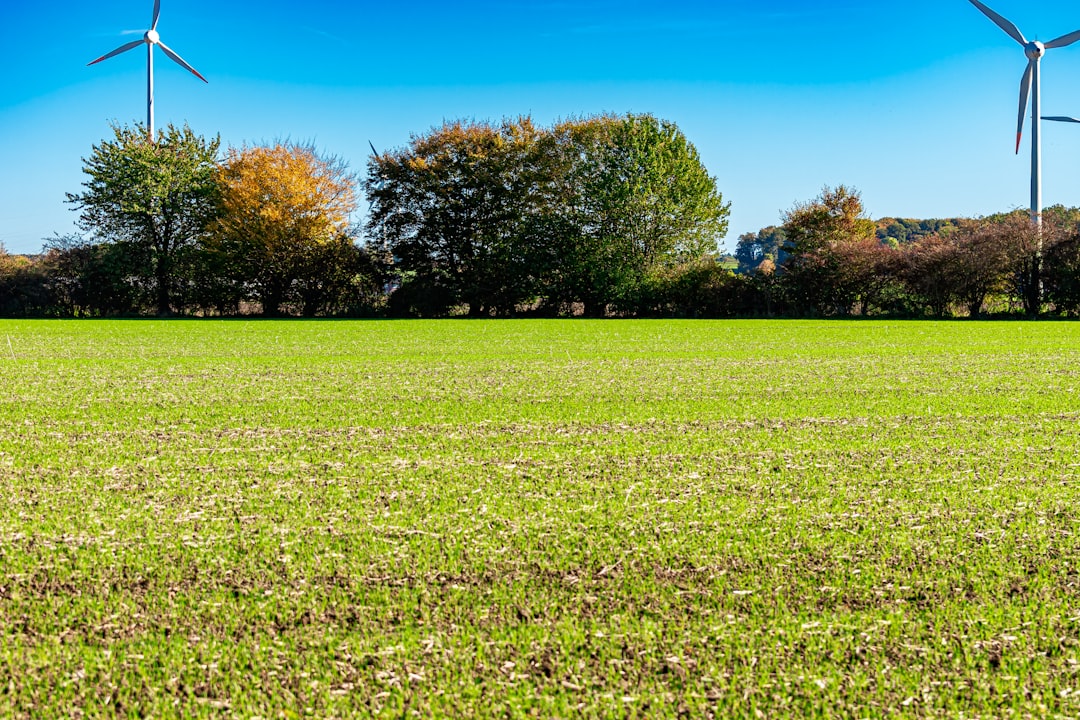
Canada’s energy landscape is experiencing unprecedented transformation as massive capital flows redirect toward renewable infrastructure, creating what analysts describe as the most significant clean energy transition play in the nation’s history. With over $15 billion in committed investments flowing into wind, solar, and battery storage projects, Canada has positioned itself as a global leader in sustainable energy development while simultaneously strengthening its economic foundation.
The shift represents more than environmental stewardship—it’s a strategic economic pivot that’s reshaping how investors, governments, and communities approach energy independence and long-term prosperity.
Investment Capital Floods Canadian Renewable Markets
The scale of financial commitment to Canada’s clean energy transition play has reached extraordinary levels, with institutional investors recognizing the combination of stable returns and environmental impact. Major pension funds, including the Canada Pension Plan Investment Board, have allocated significant portions of their portfolios to renewable energy infrastructure, viewing these assets as inflation-protected investments with 25-30 year revenue visibility.
Provincial governments have responded with complementary policy frameworks that enhance investment attractiveness. Alberta’s renewable energy auction system has delivered some of the lowest electricity prices in North America, while Ontario’s streamlined permitting processes have accelerated project timelines by an average of 18 months. These regulatory improvements have created an environment where private capital can deploy efficiently, reducing project costs and improving returns for stakeholders.
Technology Innovation Drives Grid Modernization
Canada’s clean energy transition play extends far beyond traditional renewable generation, encompassing sophisticated grid modernization and energy storage solutions. The integration of artificial intelligence and machine learning into grid management systems has enabled utilities to balance intermittent renewable sources more effectively, reducing curtailment rates by up to 40% in some regions.
Battery storage deployment has accelerated dramatically, with lithium-ion installations growing from 200 megawatts to over 2,500 megawatts of operational capacity. This expansion addresses one of the primary challenges facing renewable integration—ensuring reliable power delivery when wind and solar generation fluctuates. Advanced forecasting systems now predict renewable output with 95% accuracy up to 48 hours in advance, allowing grid operators to optimize energy dispatch and minimize reliance on fossil fuel backup generation.
Regional Economic Transformation Gains Momentum
The clean energy transition play has catalyzed economic diversification across Canada’s provinces, creating employment opportunities and attracting manufacturing investments. Saskatchewan’s wind energy sector now employs over 3,000 workers directly, while supporting an additional 7,000 indirect jobs through supply chain activities. These positions offer competitive wages, with median salaries exceeding traditional energy sector compensation by 12-15%.
Manufacturing localization has emerged as a key economic driver, with companies establishing Canadian operations to serve the growing domestic market. Wind turbine component manufacturing facilities in Quebec and Ontario have reduced import dependence while creating high-skilled manufacturing jobs. Solar panel assembly operations have similarly expanded, supported by federal tax incentives and provincial training programs that ensure adequate skilled workforce availability.
Export Opportunities Expand International Reach
Canada’s expertise in managing large-scale clean energy projects has created significant export opportunities, with Canadian engineering firms securing contracts worth over $8 billion internationally. The clean energy transition play has developed domestic capabilities that prove valuable in global markets, particularly in countries with similar geographic and climatic challenges.
Hydrogen production represents perhaps the most promising export opportunity, with several provinces developing industrial-scale electrolysis facilities powered by renewable electricity. These projects position Canada to become a major supplier of clean hydrogen to international markets, particularly in Asia and Europe where demand for carbon-neutral industrial feedstocks continues growing rapidly.
Canada’s clean energy transition play has evolved from environmental necessity into comprehensive economic strategy, demonstrating that sustainability and prosperity can advance simultaneously. The convergence of supportive policy, abundant natural resources, and sophisticated financial markets has created conditions for sustained growth in renewable energy investment. As this transformation continues accelerating, Canada’s position as a global clean energy leader becomes increasingly secure, offering both domestic benefits and international competitive advantages that will define the nation’s energy future for decades to come.