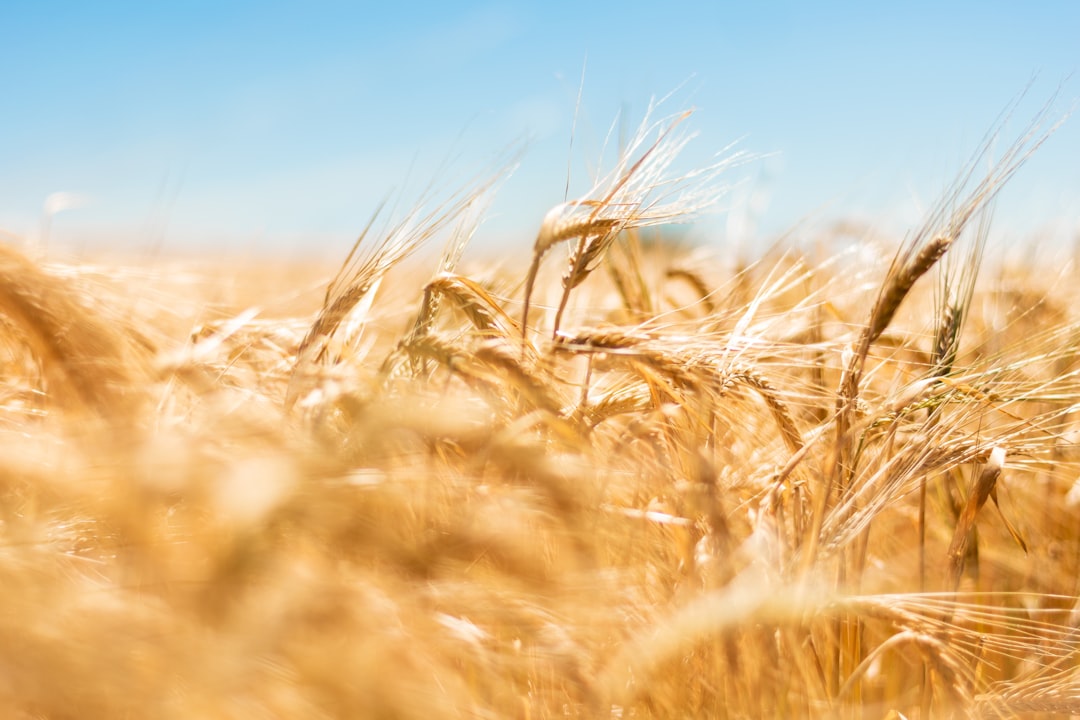
The agricultural commodities market presents one of the most compelling investment opportunities in today’s economic landscape, yet many investors overlook its potential due to perceived complexity and volatility. While traditional asset classes struggle with uncertainty, agricultural commodities offer a unique combination of essential demand drivers and strategic diversification benefits that sophisticated investors are increasingly recognizing.
Understanding the agricultural commodity outlook requires a deep appreciation for the fundamental forces that drive these markets. Unlike stocks or bonds, agricultural commodities are tied directly to human survival needs, making them inherently valuable regardless of economic cycles. Global population growth continues to accelerate, with projections indicating we’ll need to feed nearly 10 billion people by mid-century, while arable land remains finite and climate challenges intensify.
The current market dynamics reveal several compelling trends that savvy investors can leverage. Supply chain disruptions have highlighted the critical importance of food security, leading governments worldwide to prioritize agricultural stability. This policy shift translates into more predictable demand patterns and potentially higher price floors for key commodities. Additionally, technological advances in farming equipment, precision agriculture, and biotechnology are creating new investment subcategories within the broader agricultural space.
Weather patterns remain the wild card in any agricultural commodity outlook, but rather than viewing this as pure risk, experienced investors recognize it as an opportunity for strategic positioning. El Niño and La Niña cycles follow somewhat predictable patterns, and those who study these phenomena can anticipate potential supply shortages or surpluses months in advance. Drought conditions in major producing regions like the American Midwest or Brazil’s soy belt can create significant price movements that prepared investors can capitalize on.
Diversification Strategies That Actually Work
The key to maximizing returns lies not in betting on individual commodities, but in building a diversified portfolio that balances different agricultural sectors and geographic exposures. Grain markets behave differently from livestock futures, and soft commodities like coffee and cocoa respond to entirely different supply and demand factors. A well-constructed agricultural commodity outlook incorporates seasonal variations, storage costs, and transportation logistics that can significantly impact profitability.
Exchange-traded funds focused on agricultural commodities offer retail investors exposure without the complexity of direct futures trading. These instruments provide professional management and diversification while maintaining liquidity. However, more sophisticated investors often prefer direct commodity exposure through futures contracts or physical ownership, which can offer superior returns but require deeper market knowledge and risk tolerance.
Timing plays a crucial role in agricultural commodity investments. Planting seasons, harvest periods, and weather-sensitive growing phases create predictable volatility patterns throughout the year. The agricultural commodity outlook becomes most valuable when investors can identify these cyclical opportunities and position themselves accordingly. Spring planting reports, summer weather forecasts, and fall harvest estimates all provide crucial data points for investment decisions.
Technology and Innovation Drive New Opportunities
Modern agricultural investing extends far beyond traditional crop and livestock markets. Precision agriculture technologies, sustainable farming solutions, and alternative protein sources represent emerging subsectors with tremendous growth potential. The agricultural commodity outlook increasingly includes investments in companies developing drought-resistant seeds, automated farming equipment, and innovative food production methods.
Risk management remains paramount in agricultural commodity investing. Price volatility can be extreme, and leverage amplifies both gains and losses. Successful investors typically allocate a specific percentage of their portfolio to agricultural commodities rather than making concentrated bets. Stop-loss orders, position sizing, and correlation analysis help protect against catastrophic losses while preserving upside potential.
The intersection of environmental, social, and governance factors with agricultural investing creates additional considerations for the modern agricultural commodity outlook. Sustainable farming practices, carbon credit systems, and regenerative agriculture represent not just ethical imperatives but potentially profitable investment themes. Companies and commodities aligned with sustainability trends often command premium valuations and enjoy more stable long-term demand.
Agricultural commodity investing rewards patience, research, and strategic thinking over short-term speculation. The most successful participants in these markets combine fundamental analysis of supply and demand factors with technical analysis of price trends and sentiment indicators. By maintaining a disciplined approach and staying informed about global agricultural developments, investors can harness the powerful trends reshaping food production and capitalize on one of humanity’s most essential economic sectors.