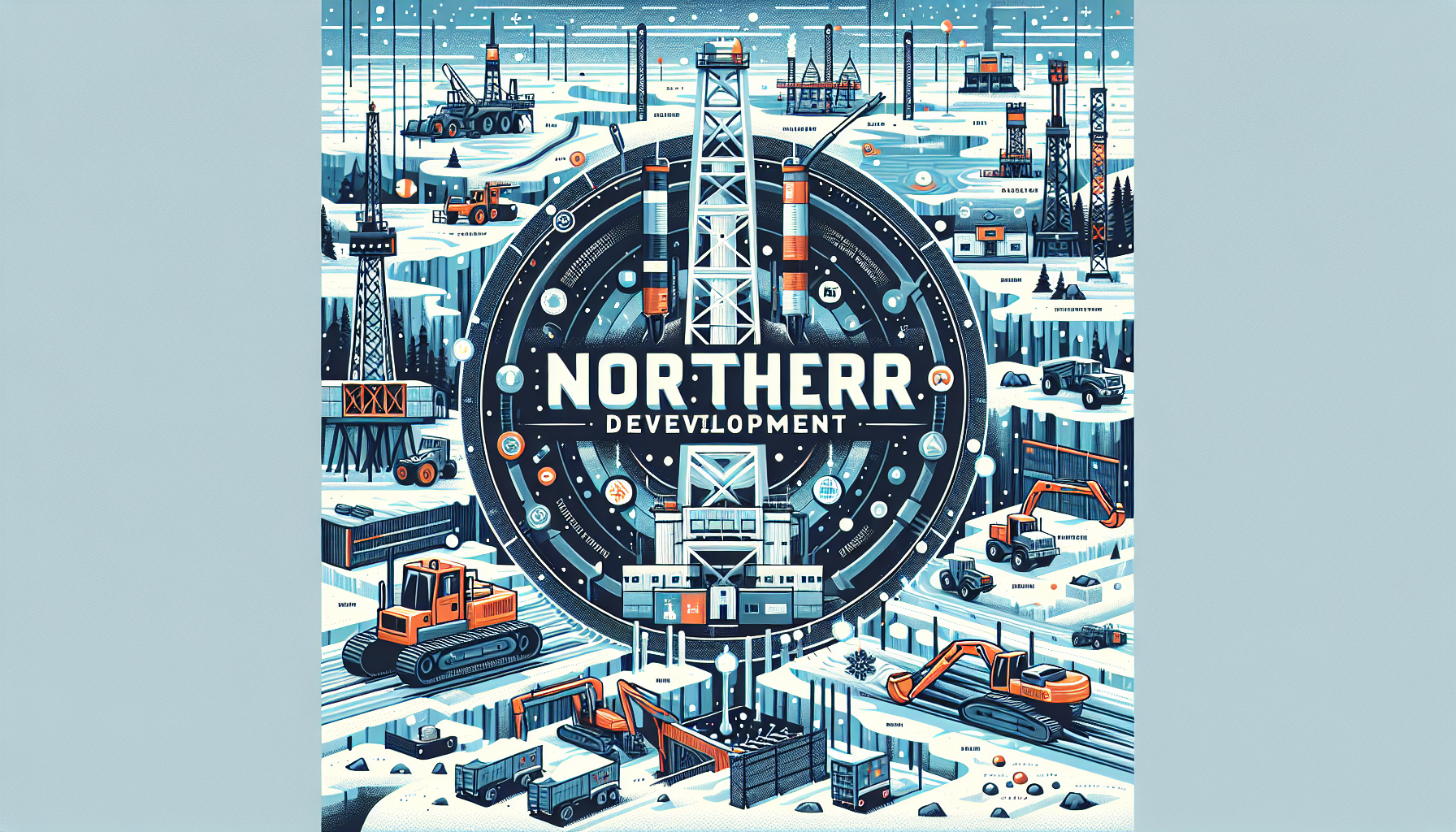
Canada’s vast northern territories are experiencing an unprecedented technological revolution that’s reshaping how resources are discovered, extracted, and processed in some of the world’s most challenging environments. The convergence of artificial intelligence, advanced robotics, and sustainable extraction methods is unlocking previously inaccessible mineral wealth while addressing environmental concerns that have long complicated northern resource development initiatives.
The harsh realities of operating in Canada’s Arctic and subarctic regions have historically made resource extraction both expensive and logistically complex. Extreme temperatures, remote locations, and limited infrastructure created barriers that only the most determined mining companies could overcome. However, recent technological breakthroughs are fundamentally changing this equation, enabling more efficient and environmentally responsible approaches to northern resource development.
Artificial intelligence and machine learning algorithms are now powering sophisticated geological surveys that can identify promising mineral deposits with unprecedented accuracy. These systems analyze vast datasets combining satellite imagery, geological surveys, and historical mining data to pinpoint locations with the highest probability of containing valuable resources. Companies like Kinross Gold and Agnico Eagle have reported significant improvements in exploration success rates by incorporating AI-driven analysis into their northern resource development strategies.
Autonomous mining equipment represents another transformative technology gaining traction in Canada’s northern territories. Self-operating trucks, drilling systems, and processing equipment can function continuously in extreme weather conditions that would challenge human operators. Rio Tinto’s autonomous haul truck fleet at their northern operations has demonstrated remarkable efficiency gains, reducing operational costs by up to 15% while improving safety records in hazardous environments.
The integration of renewable energy systems into northern resource development projects addresses one of the sector’s most persistent challenges: reliable power generation in remote locations. Solar panels combined with advanced battery storage systems and small modular reactors are providing sustainable energy solutions that reduce dependence on diesel fuel transport. This shift not only cuts operational costs but also significantly reduces the carbon footprint of northern mining operations.
Advanced materials science is contributing to northern resource development through the creation of equipment and infrastructure capable of withstanding extreme Arctic conditions. New composite materials and specialized coatings extend the operational lifespan of mining equipment, while innovative construction techniques enable the rapid deployment of processing facilities in permafrost regions.
Blockchain technology is emerging as a crucial tool for ensuring transparency and traceability in northern resource development supply chains. Indigenous communities and environmental stakeholders are increasingly demanding verifiable proof that extraction activities meet strict environmental and social governance standards. Blockchain-based tracking systems provide immutable records of resource origin, processing methods, and environmental compliance data.
The economic impact of these technological advances extends far beyond individual mining operations. Northern resource development projects increasingly serve as catalysts for broader regional development, creating opportunities for local communities while generating significant government revenues. The Government of Canada’s Critical Minerals Strategy specifically identifies northern territories as key regions for securing domestic supplies of lithium, cobalt, and rare earth elements essential for clean energy technologies.
Environmental monitoring has been revolutionized through the deployment of IoT sensors and satellite-based monitoring systems that provide real-time data on air quality, water contamination, and ecosystem health. These systems enable mining companies to respond immediately to environmental concerns while providing regulatory authorities with unprecedented visibility into northern resource development operations.
Partnership models between mining companies, Indigenous communities, and technology providers are creating innovative frameworks for sustainable northern resource development. These collaborations ensure that local communities benefit directly from resource extraction while preserving traditional land uses and cultural practices. Revenue-sharing agreements and community ownership stakes in mining operations represent a significant evolution in how northern resource development projects are structured and governed.
The future of northern resource development in Canada looks increasingly promising as technological innovations continue to overcome traditional barriers to extraction in remote regions. The combination of advanced exploration techniques, autonomous operations, sustainable energy systems, and community partnership models is creating a new paradigm for responsible resource development. As global demand for critical minerals continues to grow, Canada’s northern territories are positioned to become a crucial supplier of materials essential for the global transition to clean energy, supported by technologies that ensure both economic viability and environmental stewardship.