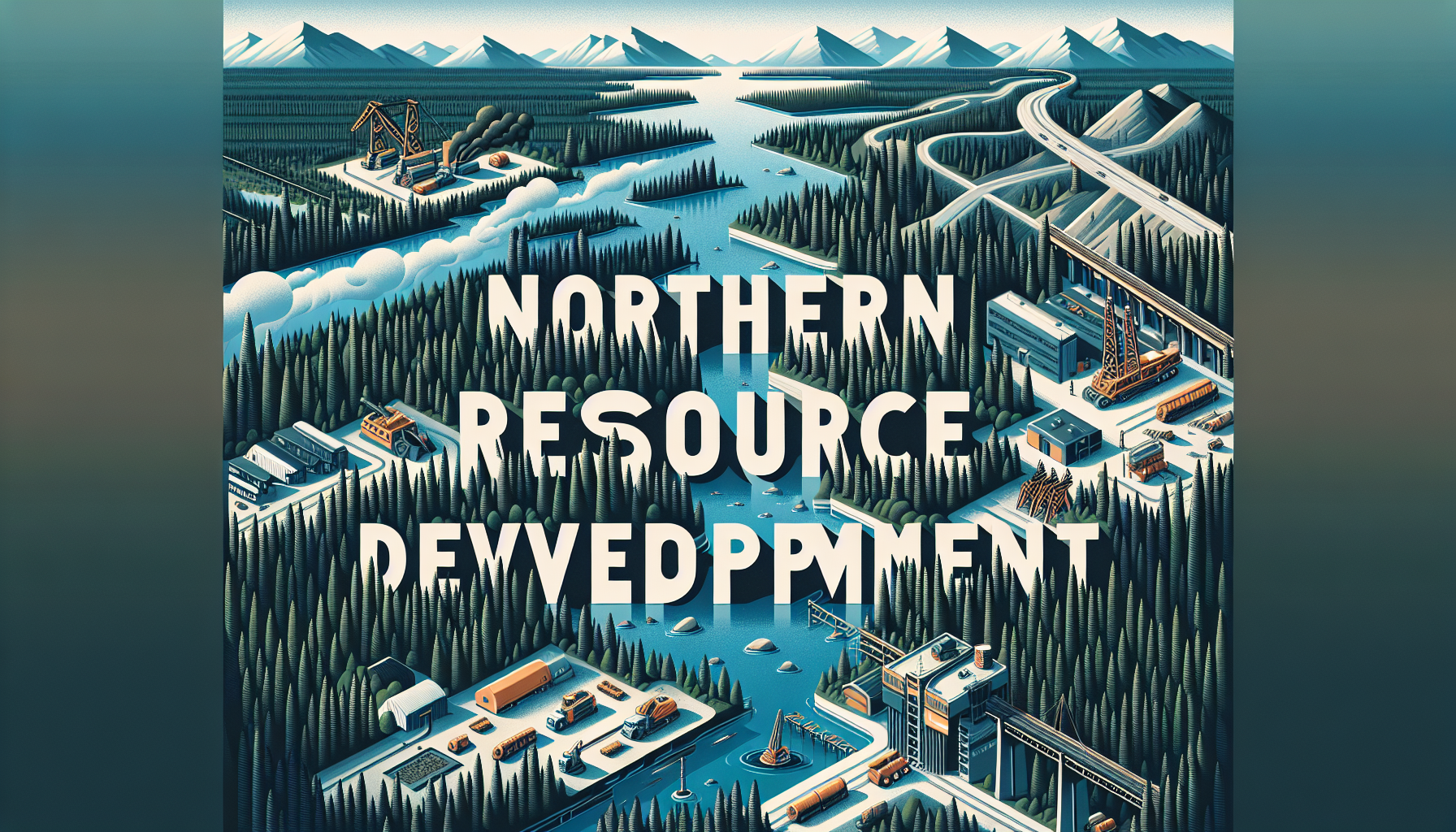
Canada’s vast northern territories are emerging as the unexpected catalyst for the country’s clean energy transformation. While much of the world focuses on southern industrial centers, a quiet revolution is unfolding across the Canadian Arctic and sub-Arctic regions, where northern resource development is unlocking the raw materials and renewable energy potential that could position Canada as a global clean energy superpower.
The numbers tell a compelling story. Canada’s northern territories contain approximately 60% of the world’s known cobalt reserves, 20% of global nickel deposits, and substantial lithium resources—all critical components for electric vehicle batteries and renewable energy storage systems. Major mining companies have invested over $15 billion in northern projects since 2020, with projections suggesting this figure could double by 2030 as demand for clean energy minerals continues to surge.
What makes northern resource development particularly strategic is the convergence of mineral wealth with renewable energy potential. The same remote regions rich in lithium, rare earth elements, and other critical minerals also possess abundant hydroelectric, wind, and solar resources. This creates unique opportunities for carbon-neutral extraction and processing operations that can feed directly into clean energy supply chains.
Indigenous partnerships have become central to successful northern resource development initiatives. First Nations and Inuit communities are increasingly taking equity stakes in mining and energy projects, bringing traditional ecological knowledge alongside modern sustainable practices. The Kivalliq Energy Corporation in Nunavut, for example, has pioneered community-owned renewable energy projects that power both local needs and resource extraction operations, creating a model for sustainable development that respects Indigenous sovereignty while advancing clean energy goals.
The logistical challenges that once made northern resource development prohibitively expensive are being solved through technological innovation. Advanced extraction techniques require smaller physical footprints, while improvements in remote power generation and digital monitoring systems reduce the need for permanent infrastructure. Drone technology and artificial intelligence are enabling more precise resource mapping and environmental monitoring, ensuring that development proceeds with minimal ecological disruption.
Transportation infrastructure is also evolving to support northern resource development. New shipping routes through the Northwest Passage, made increasingly accessible due to changing ice conditions, offer direct connections between northern mining operations and global markets. The federal government has committed $2.3 billion to northern infrastructure improvements, including ports, roads, and telecommunications networks that will facilitate both resource extraction and renewable energy distribution.
The geopolitical implications are significant. As global competition intensifies for critical minerals essential to clean energy technologies, northern resource development gives Canada strategic autonomy and the ability to supply allied nations with responsibly sourced materials. This is particularly important as countries seek to reduce dependence on supply chains dominated by nations with less stringent environmental and labor standards.
Environmental stewardship remains paramount in northern resource development. New projects must meet rigorous environmental assessments and incorporate carbon neutrality goals from the outset. Several operations are pioneering closed-loop systems that minimize water usage and eliminate tailings ponds, while others are integrating renewable energy sources to achieve net-zero emissions during extraction and processing.
The ripple effects extend far beyond the immediate extraction sites. Northern resource development is driving innovation in cold-climate renewable energy technologies, creating expertise that positions Canadian companies as leaders in similar projects worldwide. The skills and technologies developed in Canada’s harsh northern environments are directly applicable to renewable energy projects in Alaska, Siberia, Scandinavia, and other northern regions globally.
As Canada charts its course toward carbon neutrality, northern resource development represents both the means and the opportunity to lead the global clean energy transition. By responsibly extracting the materials needed for tomorrow’s clean technologies while simultaneously developing the renewable energy capacity to power that extraction, Canada’s northern territories are becoming the foundation upon which the country’s clean energy future is being built.