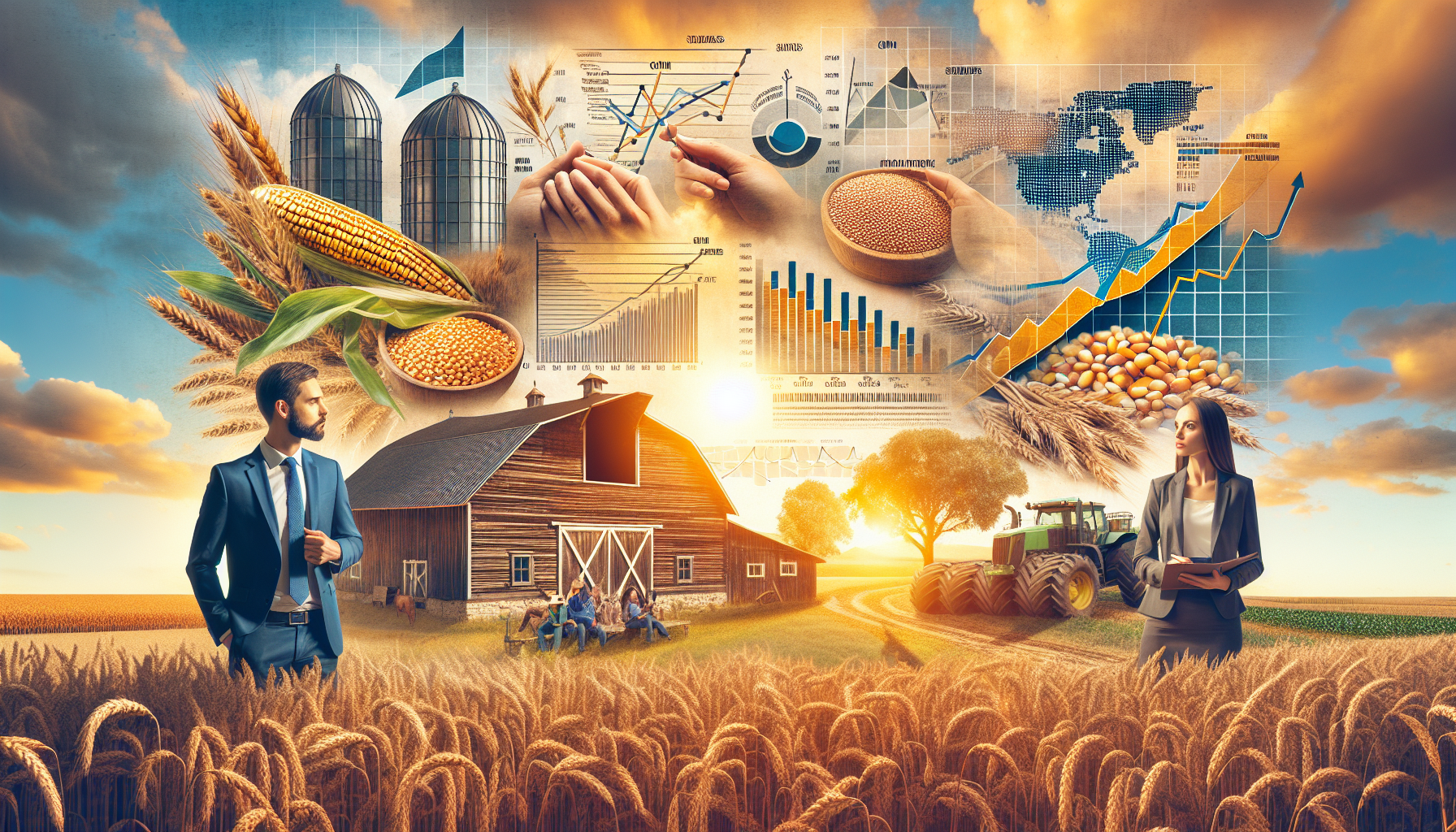
The agricultural commodity outlook plays a surprisingly significant role in Canadian household finances, influencing everything from grocery bills to investment returns. As global food systems face unprecedented pressures from climate volatility, geopolitical tensions, and shifting consumer demands, understanding these market dynamics becomes crucial for making informed financial decisions.
Smart Canadians are recognizing that commodity markets extend far beyond the trading floor—they directly impact personal wealth through inflation, investment opportunities, and everyday purchasing power. Whether you’re planning your family budget or diversifying your investment portfolio, agricultural trends deserve your attention.
Understanding Agricultural Commodity Price Drivers
The agricultural commodity outlook hinges on several interconnected factors that create both risks and opportunities for Canadian consumers and investors. Weather patterns remain the most immediate influence, with drought conditions in major growing regions like Saskatchewan or Alberta directly impacting canola and wheat prices. Recent data shows that extreme weather events have increased commodity price volatility by approximately 30% compared to historical averages.
Global trade relationships also significantly affect pricing. Export restrictions, tariff changes, and trade agreements between major agricultural nations create ripple effects that reach Canadian supermarkets within weeks. Currency fluctuations add another layer of complexity, as a stronger Canadian dollar can make imported food cheaper while reducing the competitiveness of Canadian agricultural exports.
Impact on Canadian Household Budgets
Food inflation directly correlates with agricultural commodity price movements, making the agricultural commodity outlook essential for budget planning. Statistics Canada data indicates that food prices can swing 15-25% annually based on commodity market conditions, representing hundreds of dollars in additional costs for typical Canadian families.
Staple items like bread, meat, and dairy products show the strongest correlation with underlying commodity prices. Wheat price increases translate to higher bread costs within 2-3 months, while corn price volatility affects everything from breakfast cereal to meat prices through livestock feed costs. Understanding these connections helps families anticipate budget pressures and adjust spending accordingly.
Investment Opportunities in Agricultural Markets
The evolving agricultural commodity outlook creates diverse investment opportunities for Canadian investors seeking portfolio diversification. Exchange-traded funds (ETFs) focused on agricultural commodities offer exposure without the complexity of direct commodity trading. Popular options include broad agriculture ETFs and those targeting specific commodities like wheat, corn, or livestock.
Canadian agriculture stocks provide another avenue, particularly companies involved in fertilizer production, farm equipment manufacturing, and food processing. These businesses often benefit from favorable commodity trends while offering more stable returns than direct commodity investments. Consider companies with strong Canadian operations that benefit from domestic agricultural success.
Hedging Strategies Against Food Price Inflation
Protecting your finances against adverse movements in the agricultural commodity outlook requires strategic planning. Building a larger emergency fund helps absorb unexpected food cost increases, while meal planning and bulk purchasing during favorable pricing periods can reduce long-term expenses.
Investment hedging involves allocating 5-10% of your portfolio to inflation-protected securities or commodity-linked investments. Treasury Inflation-Protected Securities (TIPS) and commodity ETFs can help offset rising food costs. Some investors also consider farmland investment trusts, which provide exposure to agricultural real estate appreciation alongside commodity price movements.
Timing Market Cycles and Seasonal Patterns
Agricultural markets follow predictable seasonal patterns that informed consumers can leverage for better financial outcomes. The agricultural commodity outlook typically shows price peaks during planting season (spring) and harvests (fall), with winter months often bringing different dynamics based on storage and weather concerns.
Smart shoppers time major food purchases around these cycles, buying non-perishable staples when commodity prices hit seasonal lows. Investors can similarly time entry and exit points in agricultural investments, though this requires careful analysis and should never comprise the majority of investment decisions.
Long-term Trends Shaping Agricultural Finance
Climate change continues reshaping the agricultural commodity outlook, creating both challenges and opportunities. Shifting growing regions may favor certain Canadian provinces while pressuring others, affecting regional economic conditions and investment prospects. Technology adoption in farming—from precision agriculture to plant-based alternatives—creates new investment categories while potentially disrupting traditional commodity relationships.
Population growth and changing dietary preferences, particularly in developing nations, suggest sustained long-term demand for agricultural products. This trend supports the investment thesis for agricultural exposure in diversified portfolios, though short-term volatility remains a constant factor requiring careful risk management.
The agricultural commodity outlook offers both challenges and opportunities for Canadian personal finance. By understanding market drivers, planning for food inflation, and considering strategic investments, you can transform commodity volatility from a budget threat into a portfolio advantage. Start by reviewing your current food budget trends and exploring agricultural investment options suitable for your risk tolerance and financial goals.